What You Actually Agree to When You Click "Accept"
Learn what you're actually agreeing to when you click "I agree." A practical guide to the rights you give away, the data you share, and how to protect yourself on social media platforms.
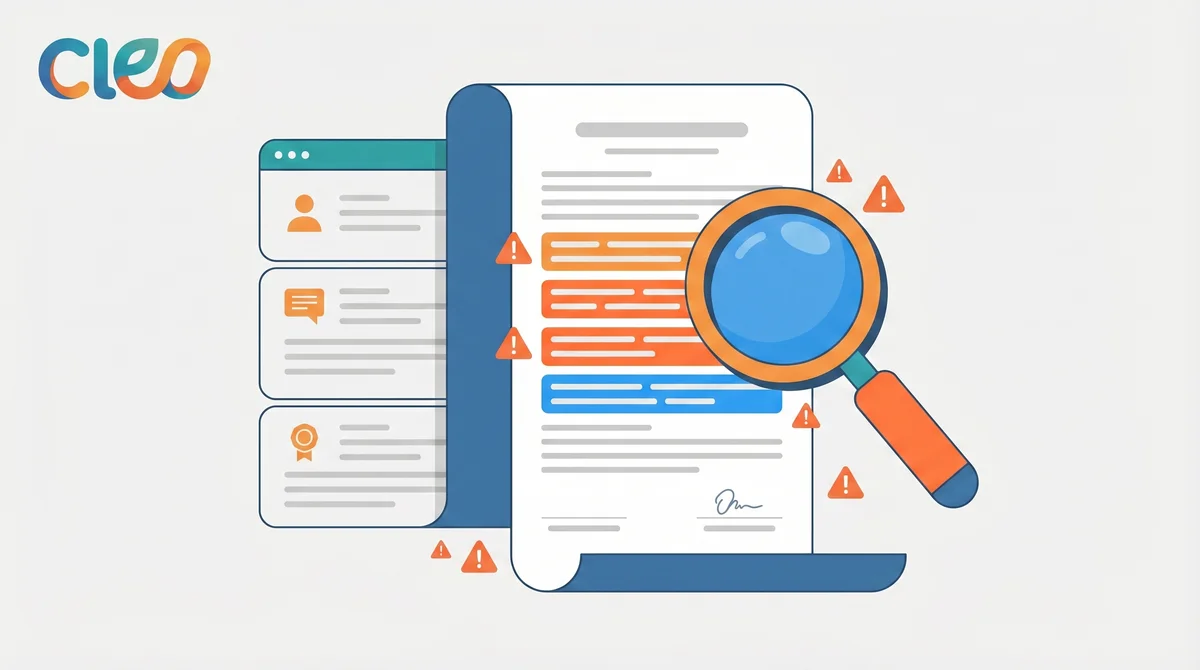
Table of Contents
You're about to sign up for a new social media app. The last step appears on your screen: a checkbox next to "I agree to the Terms of Service." You've probably seen this a thousand times. Most people click it without reading a single word.
We get it. Those documents are long, written in dense legal language, and honestly kind of a pain to get through. But here's the thing: when you understand what you're actually agreeing to, you can make real choices about which platforms get access to your data and your content. And that knowledge matters.
None of this requires a law degree. It's just practical stuff that helps you protect your rights and make smarter decisions about the platforms you use.
You Give Up More Rights Than You Think
When you sign up for most social media platforms, you're granting them rights to your content that go way beyond just posting it on their feed.
Here's what actually happens: you upload a photo to the platform. The terms of service typically say you give the company a license to use that photo. But "use" can mean a lot of things. It might mean they can use your photo in their advertising. It might mean they can analyze it with AI tools. It might mean they can include it in research projects. It might mean they can sell it to third parties.
The wording matters. Some platforms say they own a "worldwide, non-exclusive, royalty-free license." That means they can use your content anywhere, for any purpose, forever, without paying you. Others are more specific. They might say the license only applies to showing your content to other users on the platform.
This is why reading the specific language in the license section really counts. You want to know exactly what "use" means in your particular case. Some platforms are upfront about it. Others bury the details in subsections you have to hunt for.
If you create content for a living, or if you care deeply about controlling how your work is used, this section demands your attention. It's not just legalese. It's the difference between you keeping control of your creation and a platform having permission to do almost anything with it.
Platforms Can Change Terms Without Much Warning
Here's something that surprises a lot of people: most platforms can change their terms of service whenever they want.
The standard language looks something like this: "We reserve the right to modify these terms at any time. Changes are effective immediately upon posting." That means the company can wake up tomorrow and completely rewrite what you agreed to. They might change how they use your data. They might change what content is allowed. They might change what rights they have to your posts.
The platform usually has to notify users that changes happened, but notification doesn't mean consent. You didn't agree to the new terms. They just changed them on you. Your choices at that point are limited: accept the new terms or stop using the service.
This is important context when you're evaluating any platform's terms. You're not just looking at what the agreement says today. You're also considering whether that company has a track record of changing terms dramatically. Some platforms change them regularly. Others leave them alone for years. That pattern tells you something about how the platform views user agreements.
If a company is prone to sudden changes, you should think carefully about how much of your life you want tied up in their service. And if you're building a business on a platform, this risk factor becomes huge.
You May Be Granting a License to Your Content
Let's dig deeper into this one because it confuses a lot of people.
When you post something on a social media platform, you don't necessarily lose ownership of that content. You still own the copyright to that photo or video or written post. But you do grant the platform a license to use it.
Think of a license like permission. You're giving the company permission to do certain things with your content. The scope of that permission is what changes from platform to platform. A tight license might say the platform can only display your content on the site and in users' feeds. A loose license might say the platform can use it for any purpose, including training AI, displaying in ads, or including in annual reports.
Some platforms are explicit about this. They say: "We use your content to provide, improve, and promote the service." Others are vague. They just say they have a broad license without explaining what they'll actually do with it.
The reason this matters is simple. If you post original artwork, a business idea, or something you're selling elsewhere, you want to know whether the platform has permission to display that in ways that could undermine your own commercial interests. A platform with a broad license to your content has more leverage over you. A platform with a narrow license respects your ownership more.
When you're reading language about content licensing, look for specificity. Does it name specific uses like "displaying on the platform" or "showing in user feeds"? Or does it use vague language like "any lawful purpose"? The more specific and narrow the license, the more protection you have.
Arbitration Clauses Limit Your Legal Options
Most terms of service include an arbitration clause. This is the part where the company says: if we have a dispute, we're not going to court. We're going to arbitration instead.
Arbitration sounds fine in theory. It's faster than court. It's more private. Both sides get a hearing. But there are real differences between arbitration and going to court that often favor the company.
In arbitration, you usually can't appeal the decision. If the arbitrator makes a bad call, you're stuck with it. In court, you have appeal rights. In arbitration, you typically can't see the evidence the other side will present until the hearing. In court, discovery rules let you request documents and information beforehand. In arbitration, you pay an arbitrator's fees, which can be thousands of dollars. In court, judges are paid by the state.
Some arbitration clauses also include class action waivers. That means you can't join together with other people to sue for the same problem. If a million people are harmed by the same thing, you can't band together. You each have to arbitrate individually. This dramatically reduces the company's incentive to behave well, because even if a million people are unhappy, no single person's claim is big enough to push back.
This is the kind of thing that gets buried deep in the fine print. Arbitration clauses are rarely headline material. But they fundamentally change your legal rights. They take away your access to courts. They make it harder to challenge bad behavior. And they make it nearly impossible for regular people to pursue justice when the harm is small but widespread.
Data Use Policies Are Buried in the Fine Print
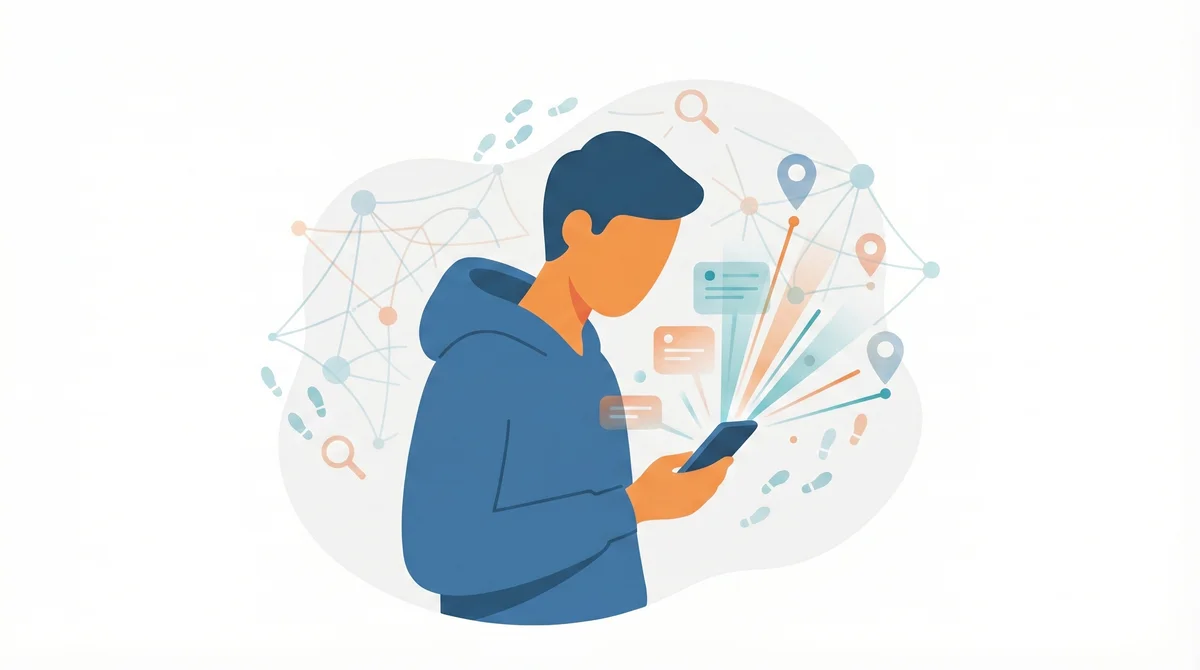
Every major platform collects data about you. When you use the service, they're tracking what you do, when you do it, what you care about, and how long you spend on different features.
That data collection is inevitable on modern social media. But what the platform does with that data is where things get murky. And that's where you find it: buried in privacy policies and supplementary documents that aren't even technically part of the main terms of service.
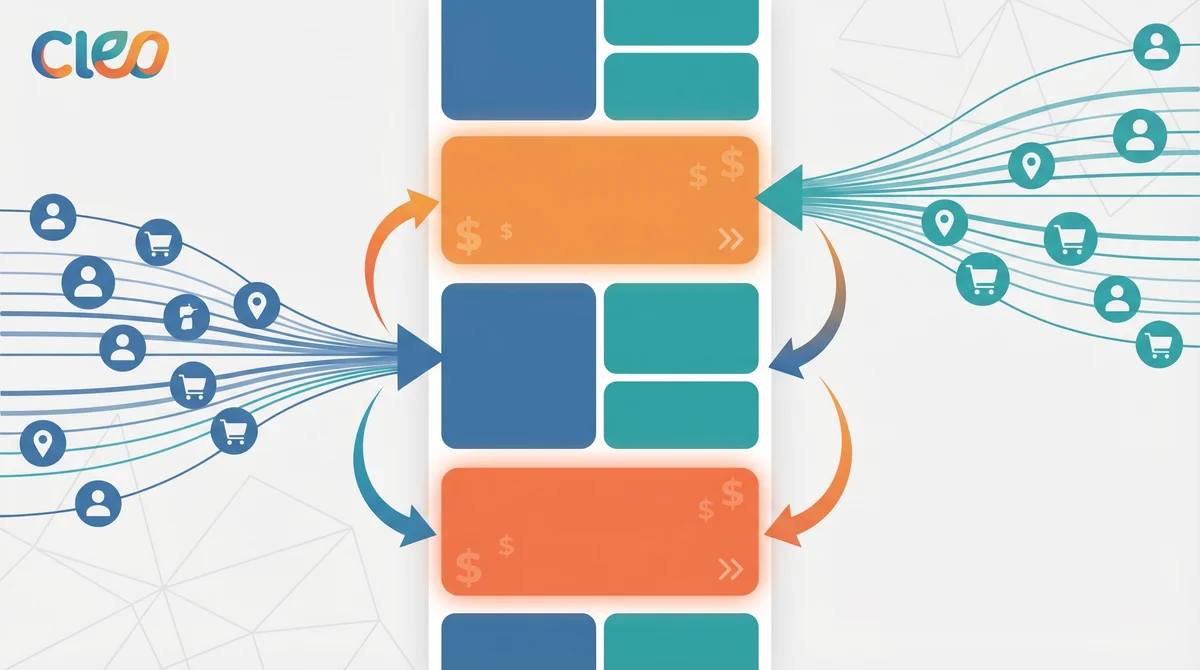
Some platforms sell data to advertisers. Some share data with data brokers. Some use it to train AI models. Some keep it forever. Some delete it after certain periods. Some say they don't share it without consent, but they define "sharing" in ways that don't include selling it to completely separate companies that partner with them.
The fine print is where companies put the details they hope you never read. One platform might say: "We share information with third parties for marketing purposes." Another might say: "We do not sell personal information, but we do share it with business partners." Both statements can describe the same practice, just with different framing.
When you're evaluating a platform, make sure you understand their actual data practices. Don't just look at the main terms. Read their privacy policy. Look for any supplementary documents about data use. Find out whether third-party trackers are active on the site. See if they specify what "anonymized data" means and whether they're actually anonymizing anything.
This stuff matters because your data is valuable. It's worth money. Companies treat it that way, even if they don't tell you plainly — see what social media apps actually track for specifics.
What to Actually Look For Before Clicking I Agree
So you know the areas to investigate. But where should you start? Here's a practical approach.
First, search for the key sections. You don't have to read every word, but you need to find and understand: the license grant (what rights you're giving), data use and sharing practices, modification rights, dispute resolution, and what happens to your content if you delete your account. Most platforms put these in similar places. Once you know where to look, reading them takes 10 or 15 minutes instead of an hour.
Second, compare across platforms. If you use three different social media apps, read their approaches to the same questions. What's their policy on using your data for advertising? What rights do they take to your content? How do they handle disputes? You'll start seeing which platforms are more transparent and which are more aggressive.
Third, check whether the company has a track record. Search for stories about that platform changing terms dramatically, selling data unexpectedly, or getting sued over privacy issues. Bad behavior often repeats. If a company surprised people with data practices once, they might do it again.
Fourth, look at whether they published their policies in plain language. Are these documents written for human beings, or are they written for lawyers to hide things from human beings? CleoSocial publishes plain-language terms because we think you deserve to understand what you're agreeing to — see what we actually collect and why as an example.
Fifth, consider what the platform actually does. A platform whose main business model is selling advertising has a strong incentive to collect detailed data about you. A platform with a different business model might not. Understanding the company's actual revenue source tells you a lot about what they'll do with your information.
Finally, trust your gut. If something in the terms makes you uncomfortable, it should. If the language is deliberately confusing, that's a sign the company might not be thinking about your interests. If they're hiding important policies under subsections, they know they're not what you'd want. You don't need to read every legal document perfectly to have good instincts about whether to trust a company.
Making Smarter Choices About Your Data
Reading terms of service isn't fun, and none of us want to spend our time squinting at legal documents. But understanding what you're agreeing to is one of the few powers you actually have as a user.
When you know what you're signing, you can make real choices. You can pick platforms that align with your values. You can avoid giving away rights you didn't realize you had. You can understand what data collection is happening and decide whether you're comfortable with it. You can hold companies accountable if they violate what they promised.
That's the whole point. You shouldn't need a law degree to understand what you're agreeing to when you sign up. You should be able to know what you're signing without needing a decoder ring.
If you want to read terms that were actually written to be understandable, check out ours. If you want to learn more about protecting your data, our privacy policy walks through exactly what we do and don't do with your information. And if you want to keep learning about digital literacy and protecting yourself online, our blog has more pieces like this one.
The right to understand what you're signing isn't a luxury. It's the foundation for real privacy and real control over your own digital life.
Ready for Social Media That Respects You?
CleoSocial puts you in control. Content ratings, time limits, and real connections. Free to use, always.