How the Ad Model Shapes What You See on Social Media
How the social media advertising model influences your feed, your data, and your screen time. Understanding what drives engagement metrics.
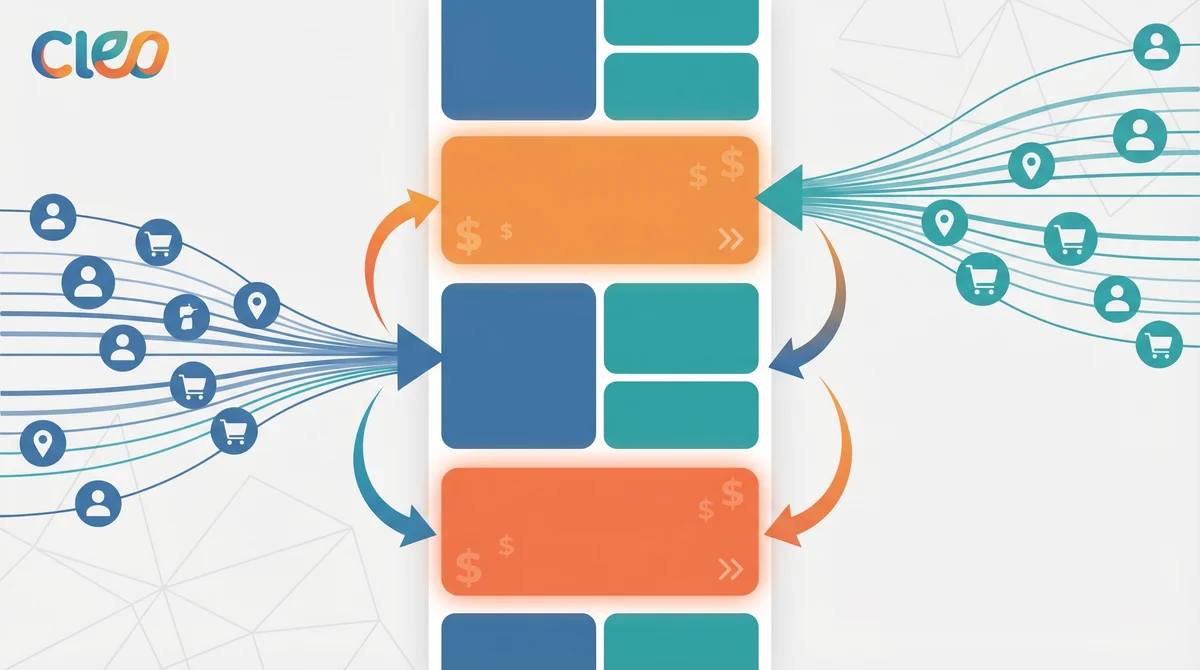
Table of Contents
Ever wonder why your feed looks the way it does? The answer isn't random. Behind every post, story, and notification lies the advertising model that powers the platform. This system shapes what you see, when you see it, and how long you spend scrolling.
Understanding how ads work on social platforms matters. It helps you recognize what's happening behind the scenes. You become a more informed user. You make better choices about your time and attention.
Here's how the ad model influences your social experience.
Ads Fund the Algorithms That Decide Your Feed
Social platforms need money to operate. They don't charge you a subscription. Instead, they sell advertising space. This business model drives everything else.
Your feed isn't organized by time. It's organized by what keeps you engaged. Algorithms decide which posts appear first. These algorithms exist to maximize engagement because engagement drives ad views.
The more time you spend scrolling, the more ads you see. The more ads you see, the more money the platform makes. The platform's incentive is clear: keep you watching.
This creates a feedback loop. The advertising model funds sophisticated engagement-maximizing algorithms. Those algorithms show you what works best at keeping you scrolling. This isn't accidental. It's built into the system's core.
Your activity data teaches the algorithm what captures your attention. Then it uses that information to customize your feed. The goal isn't always to inform you. It's to engage you.
Emotionally Charged Content Keeps You Watching Longer
What makes you stop scrolling? Usually, something that triggers a reaction. Emotional posts get more engagement. Outrage-inducing content spreads faster. Posts that make you angry or upset tend to stick around longer in feeds.
This matters because engagement is currency in the ad world. Posts with more comments, shares, and reactions stay visible longer. The algorithm boosts them. More visibility means more eyes. More eyes means more ad impressions.
Emotional content simply performs better at capturing attention. A calm, neutral post might not stop your scroll. A post that sparks anger? You're likely to pause. You might comment. You might share it. That engagement signals the algorithm: show more content like this.
Platforms benefit from this behavior. Higher engagement = higher ad revenue. This creates a structural incentive to promote emotionally intense content over balanced, measured information. It's not that platforms want you upset. It's that upset users engage more.
This dynamic affects what becomes visible on your feed. It influences what spreads. Over time, it shapes your overall social media experience. You see more content designed to provoke reaction than content designed to inform.
Your Personal Data Determines Which Ads You See
Targeted advertising is the engine of social media business models. Platforms collect enormous amounts of data about you. Your location. Your age. Your interests. Your browsing history. Your purchase behavior. Your relationships.
This data is incredibly valuable. Advertisers want it. They're willing to pay for the ability to reach the exact people most likely to buy their products.
When you create an account, you share information directly. Your profile shows your interests and connections. Your activity reveals what you click, like, and share. Platforms track this constantly.
But data collection goes beyond your explicit choices. Social platforms track you across the web using pixels and cookies. They see what websites you visit when you're not on their apps. They build detailed profiles of your behavior and preferences.
This information powers the advertising model. Ads aren't shown randomly. They're targeted based on your data. An advertiser selling running shoes might reach only people who engage with fitness content or have recently searched for athletic gear.
The better the targeting, the higher the price advertisers pay. Your personal data is the commodity being sold. You're not paying with money. You're paying with your information and attention.
Understanding this exchange matters. You're not a customer of social platforms. You're the product being sold to advertisers. Your data enables precise targeting. That precision is what makes the model work.
Sponsored Posts Are Designed to Blend With Organic Content
Ads used to look like ads. Banner ads at the top or bottom of a page. Clear separation between marketing and content. That's changing.
Today, sponsored posts are designed to feel native. They look like regular posts from accounts you follow. They appear in your feed alongside organic content. The distinction blurs intentionally.
This design choice serves a purpose. Posts that look like natural content perform better. They get more engagement. You're less likely to scroll past something that looks genuine.
Platforms label sponsored content. They have to, for legal reasons. But the label often appears in small text. Your attention is drawn to the content itself, not the disclaimer. By design, your eye catches the post before registering that it's an ad.
This practice reflects how the ad model has evolved. Early ads were obviously promotional. Modern ads disguise themselves as organic content. They blend into your feed seamlessly.
The result is harder to distinguish. When ads look like regular posts, you engage with them differently. You're less defensive. You're more likely to share them. The content becomes more effective.
Advertisers pay more for this native advertising approach. Platforms make more money when ads don't obviously look like ads. The entire structure encourages this blending. The model rewards making marketing feel authentic.
Ad Revenue Creates Incentives for More Screen Time
Platforms have a straightforward financial interest: you on the app longer. Every additional minute you spend scrolling means more ad impressions. More impressions mean more money.
This shapes product design decisions. Features are added or changed based on what extends sessions. Dark modes reduce eye strain, letting you scroll longer. Infinite scrolling removes the stopping point. Autoplay keeps videos running. Notifications pull you back when you're not using the app.
These features aren't designed primarily for your convenience. They're designed to keep you engaged longer. That's how the platform makes money.
Social networks also use intermittent variable rewards. Sometimes your post gets lots of engagement. Sometimes it doesn't. You don't know when success will come. This unpredictability mirrors slot machines. It keeps you returning and checking.
Push notifications serve the same function. An alert pops up. You open the app to check. You intended to look at one thing but end up scrolling for thirty minutes. That's not a side effect. It's the feature working as intended.
The ad model fundamentally misaligns your interests with the platform's interests. Your well-being might improve by spending less time scrolling. The platform's revenue improves if you spend more. When money depends on screen time, time is maximized.
This isn't about being manipulative toward individual users. It's about the structure of the business model itself. The model creates these incentives inherently. They exist whether platforms explicitly choose them or not.
Targeted Ads Follow You Across the Web
Advertising on the platform itself is only part of the story. The real tracking extends far beyond.
Social platforms embed tracking pixels on millions of websites. These tiny pieces of code follow you around the internet. They see what you search for on Google. They see what products you look at on retail sites. They see what news articles you read.
This data feeds back into the social network's profile of you. It makes targeting more precise. When you eventually see an ad on the social platform, it's informed by your entire web history.
Retargeting ads take this further. You visit a clothing website. You look at a specific jacket. You don't buy it. Days later, you see ads for that jacket on your social feed. That's retargeting. It works because the social network tracked your behavior on that external website.
The advertising model extends into the broader internet ecosystem. You're tracked not just on the platform. You're tracked everywhere. The data flows back to the platform, improving ad targeting throughout the system.
This cross-site tracking is often invisible. You don't see the pixels. You don't get a notification when your browsing data is collected. It happens silently in the background. Most users don't realize how extensively they're followed across the web.
Privacy regulations like GDPR and similar laws attempt to control this practice. But the fundamental structure remains. The model requires extensive data collection to work effectively. Limiting tracking would reduce ad revenue significantly.
What This Means for You
Understanding these mechanisms doesn't require cutting social media out of your life. It requires awareness.
When you see content, consider whether you're scrolling because you genuinely want to. Or are you being pulled deeper by design choices that prioritize engagement? When you see ads, remember that they're targeted based on extensive data collection. You have less privacy than you might assume.
This knowledge can help you make intentional choices. You might set time limits on apps. You might clear cookies regularly. You might think twice about what information you share publicly. You might engage more critically with emotionally charged posts.
CleoSocial offers an alternative. We believe in honest, transparent monetization. We don't hide how our system works. We're not manipulating you with engagement maximization tactics. We're building a social platform that respects your attention and your privacy.
The ad-funded model isn't inherently evil. But understanding it matters. You deserve to know how the systems you use actually work. You deserve to understand what's shaping your experience.
When you know how the model operates, you can navigate it more thoughtfully. You become less vulnerable to the incentives built into the system. You reclaim some agency over your attention.
That's the goal: not to condemn social media entirely. But to help you use it with open eyes. To know why your feed looks the way it does. To understand who benefits from your screen time. And to make intentional choices about how you spend your attention.
Learn more: Read about our privacy commitment and how we approach building social media differently. Browse more posts about social media trends and digital literacy.
Further reading: The Federal Trade Commission has published guidelines about targeted advertising. Reuters regularly covers social media business models. Pew Research Center studies how people use social platforms.
Ready for Social Media That Respects You?
CleoSocial puts you in control. Content ratings, time limits, and real connections. Free to use, always.


.webp)