Why You See What You See on Social Media
Understand how social media algorithms decide what appears in your feed and why you see certain content instead of others.
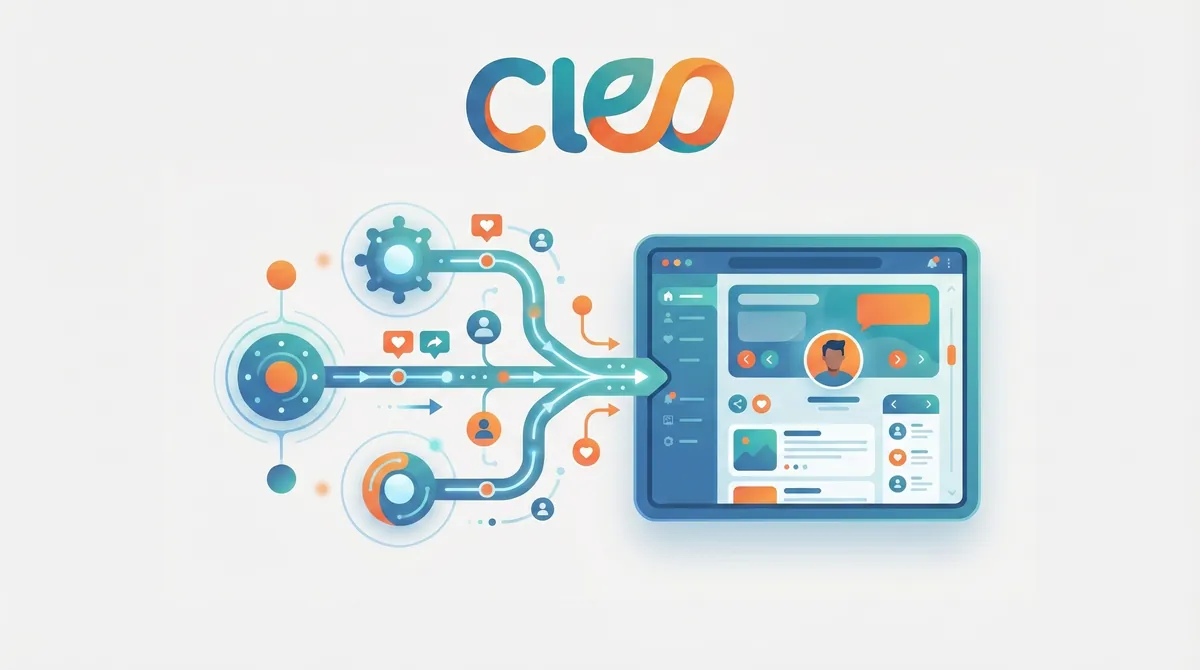
Table of Contents
Ever scrolled through your feed and wondered why you keep seeing the same types of posts? Or felt like certain creators never appear in your feed even though you follow them? The answer involves algorithms working behind the scenes to decide what content reaches your eyes.
But here's the thing: most people don't really understand how these systems work. They just accept whatever appears on their screen. At CleoSocial, we believe you deserve transparency. You should know why you see what you see. Understanding how algorithms work helps you take control of your digital experience.
Here's why your feed looks the way it does.
Your Engagement History Shapes What You See
The content you interact with tells algorithms a lot about you. Every like, comment, share, and time you spend looking at a post sends a signal. Platforms track these actions meticulously.
When you like a photo from a friend, the algorithm notices. It learns that you engage with that person's content. Next time they post, it's more likely to appear high in your feed. This isn't coincidence. It's a deliberate system designed to show you more of what you already interact with.
The same applies to content from accounts you don't follow. If you consistently engage with posts about cooking, the algorithm will push more recipe content your way. Your engagement history creates a profile of your interests. The system then uses this profile to predict what will capture your attention next.
This feedback loop is powerful. Over weeks and months, your feed becomes increasingly tailored to patterns in your past behavior. The social media algorithm learns your preferences through every single action you take.
Watch Time and Content Duration Matter
How long you watch a video or read a post directly impacts what you'll see next. Platforms measure this with precision. If you watch a ten-minute video all the way through, the algorithm takes notice. That's a strong engagement signal.
Creators know this too. They optimize their content to keep you watching. Longer retention times mean the algorithm will distribute their content to more people. This explains why some posts end up everywhere while others disappear quickly.
Even if you don't like or comment, simply watching affects your feed. Platforms track how much time you spend with different content types. They use this data to predict what will hold your attention in the future.
Text posts work similarly. If you pause while reading, that delay registers. The system watches for these micro-moments of engagement. They all add up to shape your recommendations.
Your Interaction Patterns and Preferred Accounts
Who you interact with most influences your entire feed. If you regularly comment on posts from specific people, they become your "preferred accounts." The algorithm prioritizes showing you their content.
This creates network effects. You follow more accounts. You interact with their posts. The algorithm strengthens those connections. Their content dominates your feed. Other accounts struggle to get visibility unless you actively seek them out.
The algorithm also looks at who you don't interact with. If someone you follow never appears in your engagement, the system might reduce their visibility. It's not intentional on your part, but the algorithm interprets inactivity as disinterest.
Time matters here too. Recent interactions carry more weight than old ones. Commenting on someone's post last week matters more than a like from three months ago. The algorithm prioritizes fresh signals when deciding what to show you.
Shares and Saves Reveal What Really Resonates
There's a hierarchy of engagement signals. A simple like is good. A comment is better. A share is even stronger. But a save? That's the gold standard. Platforms weigh these signals heavily when making algorithmic decisions.
When you save something, you're essentially telling the algorithm: "This matters to me. I want to find this later." Saves indicate that content provides genuine value. It's not just entertaining. It's useful or important. The algorithm weighs saves heavily.
Shares carry similar weight. When you share a post, you're amplifying it to your own network. The algorithm recognizes this as a powerful endorsement. It treats shared content differently than other posts.
This is why certain posts go viral and others don't. Early on, if enough people save and share, the algorithm notices. It starts pushing that content to broader audiences. The more saves and shares, the more momentum the post gains. The social media algorithm uses these signals to decide what goes mainstream.
For creators, this drives behavior. They create content designed to be shared. They craft posts that people want to save. The system rewards this approach through increased distribution.
Ad Targeting Data Influences Your Feed
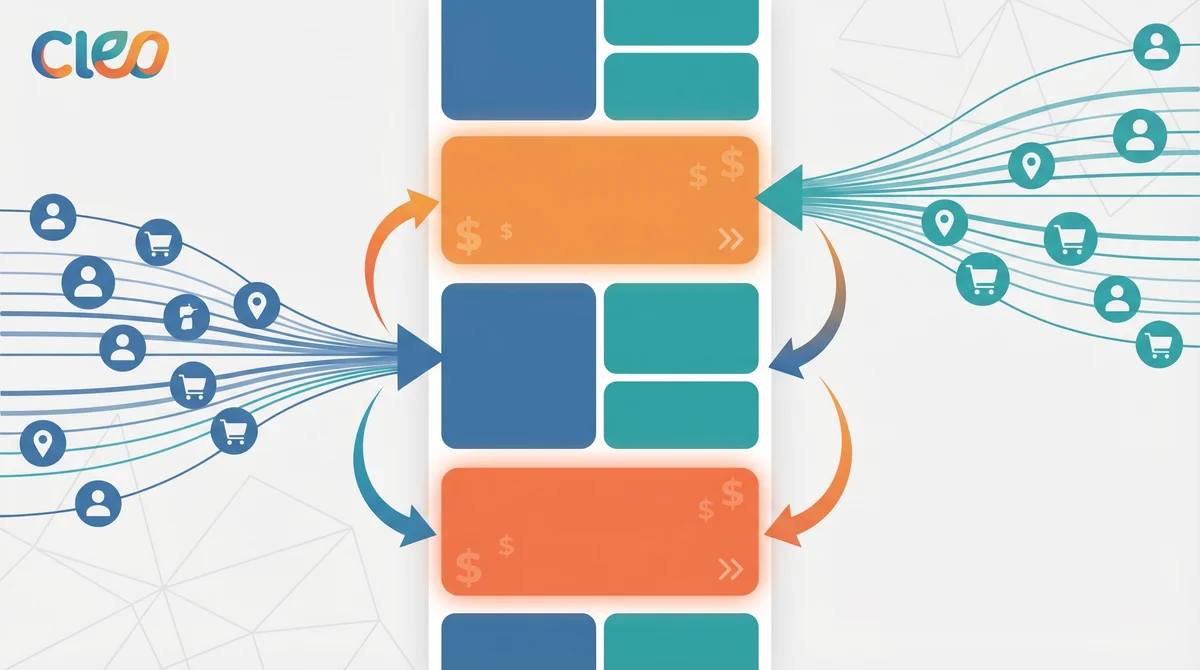
Behind the scenes, platforms collect extensive data about you. They know your demographics, location, interests, and browsing habits. This data fuels targeted advertising, and it also shapes what organic content you see. Learn more about how apps use your data to show you ads.
The algorithm doesn't separate your ad profile from your content profile. They're intertwined. Data collected for advertising purposes informs the social media algorithm decisions about what content reaches you. Your advertising preferences influence your organic feed.
If you've searched for running shoes online, ads for sportswear appear in your feed. But it doesn't stop there. The system might also increase running-related content from creators. The algorithm assumes your interest in running extends beyond products.
This targeting relies on tracking. Platforms monitor your activity across the internet through pixels, cookies, and integrations with other apps. They build a detailed picture of who you are and what you want. This picture gets fed into their algorithms.
At CleoSocial, we work differently. We believe you should control your feed without this level of tracking. You're not a profile to be monetized. You're a person who deserves privacy and genuine connections.
Recency and Freshness Affect Visibility
Newer posts generally have an advantage over older content. The algorithm favors fresh material. This creates pressure on creators to post constantly. It also means your feed is always shifting.
Timing matters enormously. A post published at the exact moment when your friends are online will perform better than identical content posted at 3 a.m. The algorithm looks at when content was created and when it's engaging an audience.
This recency bias isn't perfect. Popular old posts can resurface. Evergreen content sometimes performs well weeks after publication. But the default favors what's new. The system assumes people want to see current events and recent updates rather than old content.
This structure rewards activity. The more you post, the more chances you have to reach people. The social media algorithm essentially incentivizes constant content creation. Creators who post frequently get more visibility than those who share sporadically.
Feedback Signals and Human Curation
Here's something many people miss: algorithms aren't purely automated. Human feedback shapes them too. Platforms employ teams who review content and train the algorithm on what should and shouldn't be promoted.
When a post gets reported for violating community guidelines, that feedback loops back into the algorithm. The system learns to recognize and suppress similar content. Moderators and engineers adjust the rules regularly.
Additionally, your direct feedback influences the algorithm. When you report a post as spam or irrelevant, you're training the system. You're teaching it what you don't want to see. Over time, your reports help refine your feed.
Some platforms now let users rate content quality directly. Thumbs up, thumbs down, "not interested," "see less from this account"—these explicit signals carry enormous weight. They override other factors and quickly reshape your feed.
This human element adds nuance. The social media algorithm isn't purely mathematical. It incorporates human judgment about what constitutes quality, relevance, and value. This makes the system more complex but also more accountable.
What This Means for Your Digital Life
Understanding how algorithms work helps you interact with social media more intentionally. You're no longer just passively consuming content. You become active in shaping what you see.
If you don't like your feed, you have power. Stop engaging with content you don't actually want. Save and share posts that matter to you. Actively follow accounts you're genuinely interested in. Block accounts you don't want to see. These actions speak to the algorithm.
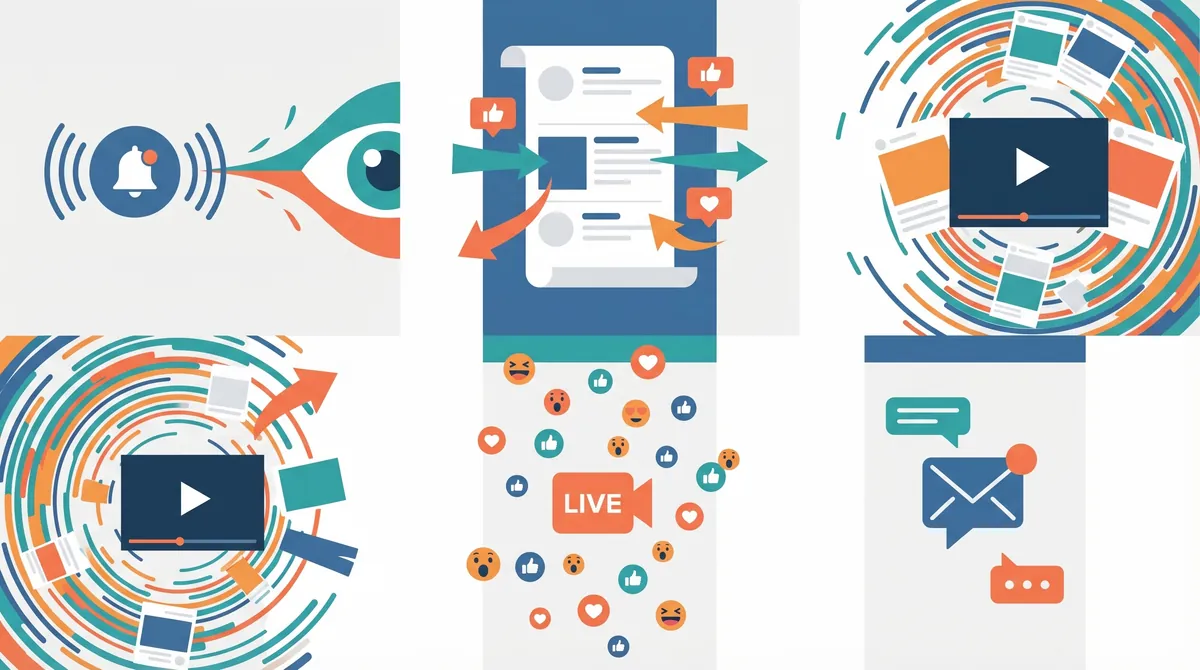
At the same time, remember that algorithms are designed to be addictive. They optimize for engagement, which often means showing you content that triggers strong reactions. Not all reactions are healthy. Be aware of this dynamic.
Consider using platforms like CleoSocial that let you control your feed directly. When you decide what you see rather than letting an algorithm decide, you reclaim your time and attention. You choose your community. You choose the content. You choose what matters to you.
The seven factors we've discussed—engagement history, watch time, interaction patterns, shares and saves, ad targeting, recency, and feedback signals—all work together. They create a system that learns about you and predicts what will hold your attention.
That's powerful knowledge. Use it wisely. Question what you see. Understand why it appears. Take control of your digital experience.
Learn More
Want to understand digital literacy better? Check out our /blog for more articles about how technology shapes our lives. You can also read about [/about](our approach to social media) and how we're building a different kind of platform.
For deeper research, the Pew Research Center offers excellent studies on how social media affects behavior and mental health. MIT also publishes research on algorithm transparency. Reuters frequently covers the impact of social media on information consumption.
Your feed is your choice. Make it count.
Ready for Social Media That Respects You?
CleoSocial puts you in control. Content ratings, time limits, and real connections. Free to use, always.