Why Free Social Media Apps Are Not Actually Free
Discover why free social media apps aren't actually free. Learn what you're really paying with when you use popular platforms.
.webp)
Table of Contents
You download an app. You sign up for free. No credit card needed. Sounds like a good deal, right? The truth is that free social media apps are not actually free. Not even close.
When you're not paying for a product, you become the product. This phrase has circulated for years, but what does it really mean? Most people sense something is off. They wonder why ads follow them around. They question why their feed feels designed to addict them. They worry about their information.
The answer is simple: if the service doesn't charge you money, it charges you something else. Companies make billions not by taking your cash, but by monetizing everything else you have. Your attention. Your data. Your behavior. Your time. Your habits. Your choices. Your identity itself.
Let's be honest about how this actually works.
Your Data is the Currency in Free Social Media Apps
Every scroll, every like, every search becomes valuable information. Your location, your interests, your relationships, your health concerns—all get collected and recorded.
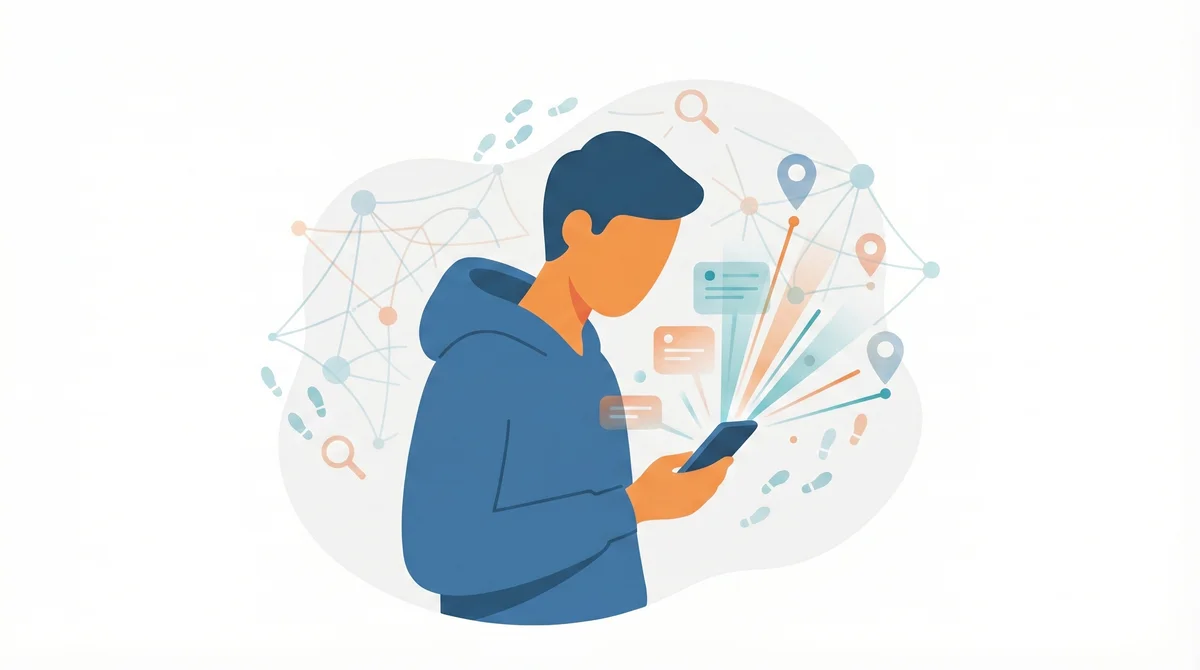
When you use a free social media app, the company builds a detailed profile of you. They know what you clicked on. They know what you watched. They know how long you watched it. They know when you watched it. They know who you interact with most. They know what makes you stop scrolling.
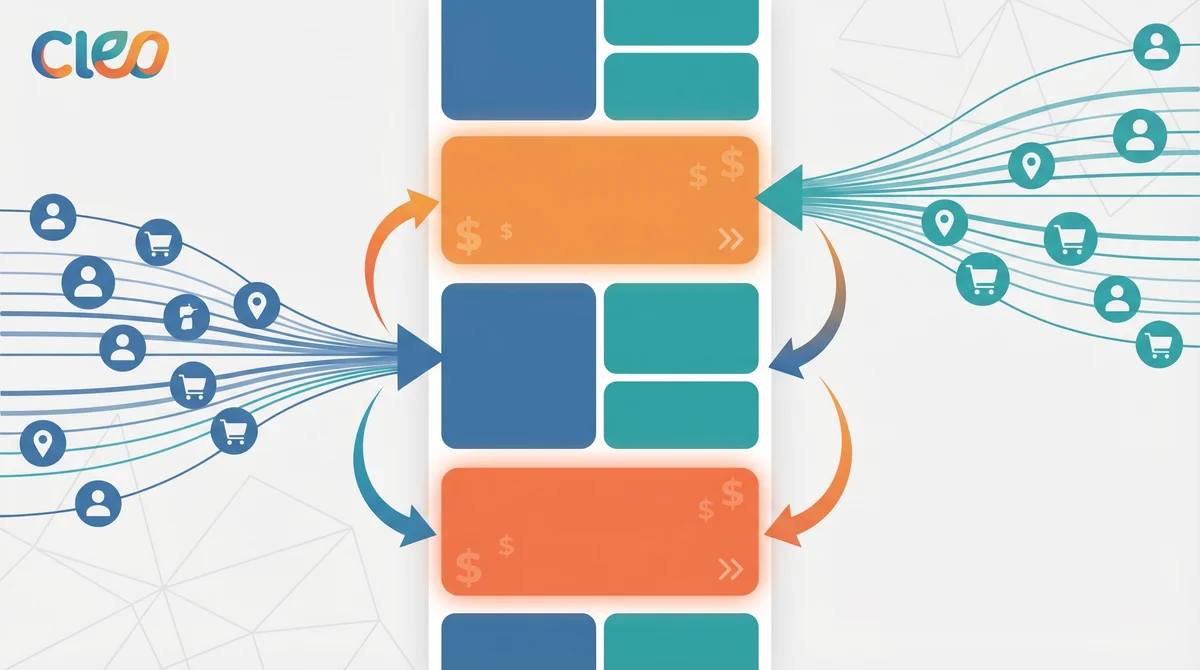
This data gets packaged and sold. Advertisers buy it. Third-party companies buy it. Data brokers buy it. Your profile becomes a commodity traded in markets you never see.
The FTC has fined platforms billions for mishandling this data. They do it anyway because the profits are too large to ignore. Even the fines are just a cost of business. A fee for being able to keep mining your information.
You're not getting a free service. You're paying with your data. The difference is you get no say in the transaction.
Your Attention is Sold to the Highest Bidder
Apps are built to keep you inside them. Engineers design every feature to maximize how long you stay. The swipe mechanics. The notifications. The autoplay videos. The infinite scroll. It's all intentional. Learn more about how social media apps make money from you.
Why? Because every minute inside the app is a minute someone could show you an advertisement. Advertisers pay for your attention. Lots of money. The longer you stay, the more ads you see. The more ads you see, the more the platform can charge.
Platforms employ teams of people trained in behavioral psychology. They study how to trigger your impulses. They test different colors, sounds, and timings to find what makes you click. They analyze what content makes you come back tomorrow.
This is your attention being sold. You're not paying with cash. You're paying with time you could spend on anything else.
Free Social Media Apps Influence Your Behavior and Mood
The business model depends on keeping you engaged. Engagement doesn't mean happy. It means hooked. An angry comment section generates more engagement than a positive one. A video that makes you feel inadequate gets more shares than one that makes you feel good.
Platforms optimize for engagement, not for what's good for you. This creates a system where the worst content often wins. Sensational stories. Divisive opinions. Outrage. These perform well because they trigger emotional responses.
Your mood becomes a tool for profit. Researchers have documented that social media use increases anxiety and depression, especially in young people. Research has found connections between heavy social media use and mental health concerns. The business model doesn't care. As long as you keep coming back, the algorithm considers it a success.
You're paying with your emotional wellbeing. Most people don't realize they're making this transaction until they feel the effects.
Your Privacy is an Expense They Won't Bear
Privacy costs money. Building secure systems costs money. Paying staff to protect data costs money. Complying with privacy laws costs money. Storing less data costs money.
Companies choose to spend that money on growth and advertising instead. They collect more data, not less. They share more data, not less. They ask for more permissions, not fewer.
When they get caught violating privacy, they pay a fine. The fine is designed to hurt. But for most large platforms, it's cheaper to pay the fine than to actually change their practices. The expected value of getting caught doesn't outweigh the profits from the violation.
Your privacy isn't protected because protecting it costs too much. You're paying with your right to privacy. You're paying with data you thought was secure. You're paying when your information leaks in breaches. You're paying when someone uses your data without your knowledge.
Your Time Gets Stolen for Free Social Media Apps to Use
Every notification is a theft of your attention. Every "You have new messages" banner is calculated to interrupt what you're doing. Every red notification dot is designed to feel urgent.
The average person spends hours every day on social media. That's time you can't get back. Time you could spend on your family, your hobbies, your health, your actual relationships. Instead, you're generating engagement metrics for a company.
Companies spend enormous resources on the psychology of notifications. They test different frequencies. They test different times of day. They test different wording. All to find the exact moment when you're most likely to stop what you're doing and open the app.
This is your time being stolen. You're paying with hours of your life. The platform benefits. You lose out.
Your Choices Are Limited by Their Algorithms
You think you're choosing what to see. The algorithm is actually choosing for you. The feed isn't neutral. It's designed. It shows you what keeps you engaged, not what you'd actually want to see.
This happens without transparency. You don't know how the algorithm ranks posts. You don't know why some content reaches thousands of people while other content disappears. You don't know what factors determine your experience.
Your choices are being filtered through a system you can't understand or control. The algorithm pushes you toward more extreme content. It keeps you in bubbles where everyone thinks like you. It exposes you to outrage and division because those things drive engagement.
Free social media apps limit your actual choice while making you feel like you have control. You're paying with your autonomy. You're paying with your ability to see the full picture. You're paying with your power to make informed decisions.
Your Identity is Monetized and Sold
Your identity includes everything about you. Your location. Your religion. Your political beliefs. Your sexual orientation. Your health status. Your income level. Your shopping habits. Your family members. Your job history.
This information is valuable. Companies build detailed profiles and sell them. They sell to advertisers. They sell to data brokers. They sell to political campaigns. They sell to insurance companies.
In some cases, this information has real consequences. Insurance companies use data to set rates. Employers use data in hiring decisions. Lenders use data to decide who gets credit. Your digital identity—the one the platform constructed—affects your real life in concrete ways.
You're paying with your identity. You're paying when your religion gets sold to religious organizations. You're paying when your political beliefs get sold to campaigns. You're paying when your health status affects your insurance rates. You're paying with consequences you'll never fully understand.
So What Can You Actually Do
This isn't a new problem, but it's getting worse. More platforms. More tracking. More data collection. More monetization. More addiction engineering. More algorithmic manipulation.
You have some options. You can use these apps less. You can turn off notifications. You can limit permissions. You can clear your data. These are real steps that actually help.
You can also look for alternatives. CleoSocial was built because we think this model is broken. We don't sell your data. We don't manipulate your attention. We're transparent about how we make money. We think you deserve that honesty.
You can learn more about our approach to privacy. You can see exactly what we do and don't do.
The old model of free social media apps worked because people didn't understand the cost. Now you do. The question is what you want to do about it.
Free social media apps aren't free. You've been paying all along. You just finally know the price.
Want to explore social media platforms with transparent business models? Read more on our blog or learn how CleoSocial works differently.
Ready for Social Media That Respects You?
CleoSocial puts you in control. Content ratings, time limits, and real connections. Free to use, always.