How to Tell If a Social Media App Has Honest Data Practices
Learn how to spot genuine transparency in social media apps. We break down the key indicators of ethical data practices you should look for.

Table of Contents
You scroll through your feed, tap a few likes, and post a photo. Simple, right? But behind the scenes, something more complicated happens. Your data moves around. It gets collected, sorted, and analyzed. The question is: where does it go?
Figuring out which social media apps actually have ethical data practices feels impossible. Privacy policies are long. Terms of service are confusing. Marketing promises sound good but mean little. So how do you know if a platform is being honest with you?
We've watched companies talk about privacy while doing the opposite. We've seen vague promises that don't hold up. And we've learned what real ethical data practices actually look like. The good news? You can spot them. Here's how to tell if a social media app is being honest about data.
Your Privacy Policy Is Written in Plain Language
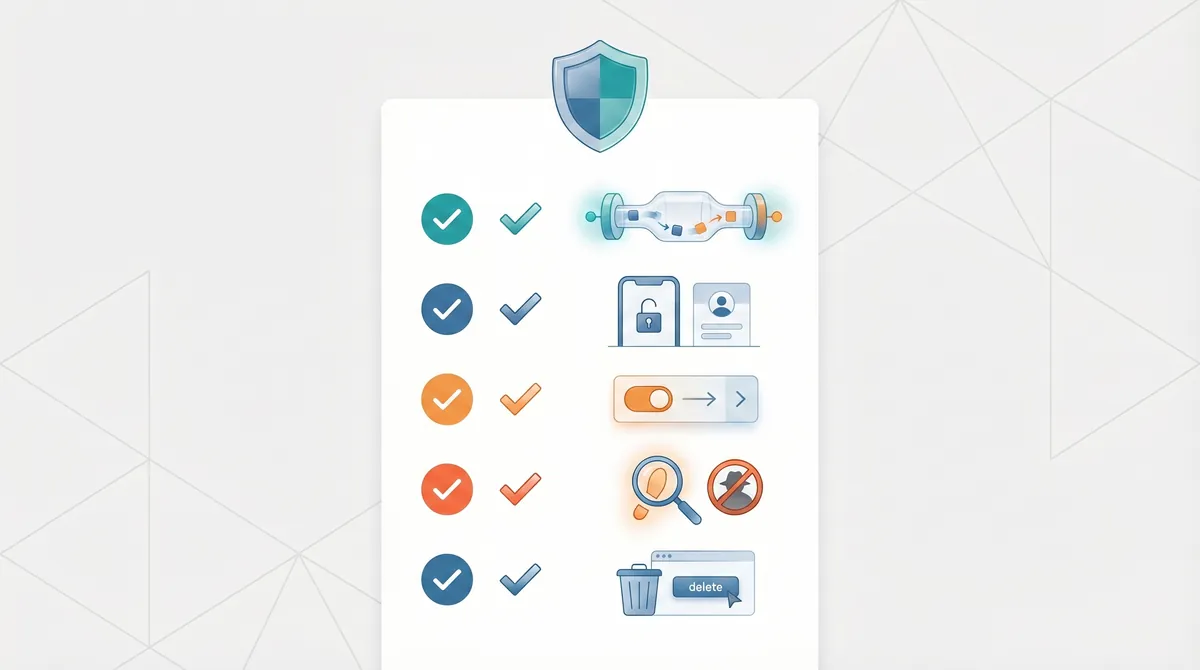
The first sign of ethical data practices is a privacy policy you can actually understand.
Most privacy policies read like legal code because they are legal code. They use terms like "data processing," "third-party integration," and "granular consent mechanisms." According to the Federal Trade Commission, privacy should be clear and upfront. Your eyes glaze over after the second sentence.
Honest platforms write differently. They explain what they do in words normal people use. They break information into sections. They use examples. If you have to consult a lawyer to understand a privacy policy, that's not transparency. That's the opposite.
When you find a privacy policy that explains things clearly, that's a sign. A company that cares about you understanding their practices writes for you, not at you.
Look for policies that:
- Use simple sentences (not five lines long)
- Explain the "why" behind data collection
- Include concrete examples of what they collect
- Break information into short sections
- Define technical terms when they use them
If you can read it in 15 minutes and actually understand it, you've found something worth paying attention to.
The App Gives You Real Control Over Your Data
Here's what fake control looks like: you toggle a switch that supposedly turns off tracking, then nothing changes.
Real control means you can actually opt out of data collection — see how we handle this ourselves. Not some data. All of it. And when you opt out, the app respects that choice.
Honest apps don't hide settings. They don't bury toggles under five menus. You can find controls easily. You can turn off features without losing access to the app. And the app tells you clearly what happens when you opt out.
Some platforms force a choice: give us your data or leave. Honest platforms say: here are your options. You can use the app with minimal data collection. You can use it with more features if you share more data. Your choice.
When an app gives you genuine toggles and honest explanations of what each one does, that matters. It shows they respect your autonomy.
Real control includes:
- Easy-to-find settings
- Clear on/off toggles for data collection
- No dark patterns designed to trick you
- Ability to use the app without sharing all your data
- Clear explanations of what each setting does
If you have to work hard to find privacy settings, or if those settings are confusing, that's a red flag.
The Platform Doesn't Sell Your Data to Third Parties
This one is simple: your data is yours.
Some apps collect data and then sell it to advertisers, data brokers, or other companies. Your profile information, your behavior, your location history—all of it becomes a product sold to someone else.
Honest platforms say clearly: we don't sell your data. We might use it to show you relevant ads. We might use it to make our service better. But we don't package it up and sell it to third parties.
This is a huge difference. When a company doesn't have a business model built on selling your information, they have a different incentive structure. They make money from you, not from selling you to someone else.
Check whether a platform says anything about data sales. If they're honest, they'll address this directly. They'll say: we don't sell your data, period. Or they'll say: we sell anonymized aggregated data in these specific ways.
Vague language here is a warning sign. Phrases like "we may share data with business partners" or "we partner with trusted vendors" can mean anything. Honest platforms are specific.
They Explain Clearly What They Collect and Why
Transparency means two things: telling you what you collect, and explaining why.
Some apps say: we collect your location data. But they don't say why. Is it for ads? For safety? For product improvement? Without the "why," you can't make an informed choice.
Honest platforms do both. They list what they collect. And they explain the reason for each thing — see what CleoSocial actually collects as one example of that in practice.
You might see something like this:
"We collect your browsing history to help show you content from accounts you follow. This helps our algorithm work better and means you see less random stuff."
That's different from:
"We collect your browsing history."
The first explanation lets you decide if that trade-off makes sense. The second doesn't.
Look for platforms that explain:
- What specific data points they collect
- How they use each type of data
- Whether data collection is required or optional
- How long they keep data
- Whether you can delete it
If a platform is vague about what it collects or why, assume the worst. Honest companies spell this out.
Deleting Your Data Is Straightforward
Requesting to delete your data should not be a nightmare.
Some platforms make you click through five screens, fill out a form, then wait 90 days. Some ignore deletion requests. Some delete your visible profile but keep your data in their systems.
Honest platforms make deletion simple. You find the option. You click it. Your data is gone. They might ask you to confirm. They should delete it quickly—within days, not months.
The ability to delete your data is important because it shows a company respects your autonomy. If they make it hard, they don't want you to leave. If it's easy, they're confident you'll stay because you want to, not because you're trapped.
Some apps go further. They let you:
- Download your data first (so you have a copy)
- Delete specific types of data
- Schedule automatic deletion
- See exactly what they're deleting
Those extras show real respect for your agency.
When considering a new platform, test the deletion process. Is it obvious where to find it? Does the app make you jump through hoops? Does it actually work? These questions tell you a lot about a company's real values.
They're Honest About How They Make Money
This is the hardest sign for most social media apps to show, because the answer is usually uncomfortable.
Some platforms say: we show you ads. That's how we make money. Simple. Honest.
Others say: we use your data to target ads very precisely. The more we know about you, the better the ads work. So we collect a lot. That's our business model.
Then there are platforms that hide how they make money. They say they're "free to use" as if money doesn't exist. Or they bury revenue information in their investor reports. Or they talk about mysterious "partnerships" instead of being direct.
Honest companies say exactly how they make money. Maybe they're ad-supported. Maybe they charge a subscription. Maybe they do both. Whatever it is, they say it clearly.
This matters because it helps you understand incentives. If a company makes money from ads, it wants to keep you on the platform. If it charges you directly, it wants you happy. If it sells your data, it wants to collect as much as possible. Understanding the incentive structure helps you understand their decisions.
CleoSocial, for example, is clear about this. We explain our revenue model. We show you how we balance making sustainable money with respecting your privacy. We don't hide behind vague language.
When you evaluate a social media app, ask: how does this company actually make money? If they won't answer clearly, that's a problem.
The Bottom Line
Spotting ethical data practices doesn't require a tech degree. You're looking for one thing: honesty.
Does the company explain itself in a way you understand? Do they let you make real choices? Are they clear about what they collect and why? Can you delete your data easily? Do they avoid selling you as a product? Can you understand how they make money?
Apps that score well on these questions are showing you something rare in social media: they value your privacy enough to be transparent about it.
Real privacy isn't about a marketing slogan. It's about consistent actions. It's about treating your data like it belongs to you, because it does. And it's about being honest when things get complicated.
The social media landscape is changing. More people care about privacy. More people want transparency. Platforms that get this right aren't perfect. But they're trying. And they're willing to tell you exactly what they're doing and why.
That's worth noticing.
Want to learn more about how we approach data privacy? Check out our privacy policy or read more about our values. Or explore other posts about transparency.
If you want to dive deeper into privacy topics, check out resources from the Federal Trade Commission and the Electronic Frontier Foundation.
Ready for Social Media That Respects You?
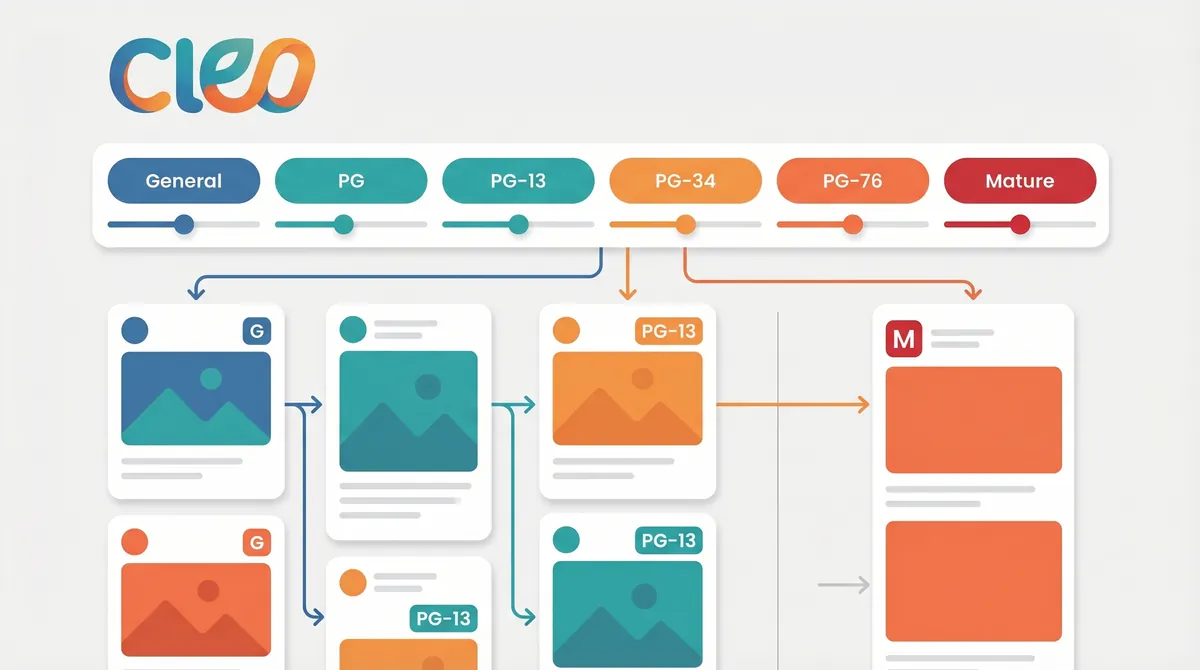
CleoSocial puts you in control. Content ratings, time limits, and real connections. Free to use, always.