What Data Social Media Apps Collect
Discover what data social media apps collect about you. Learn what information is gathered, how it's used, and what you can do about it.
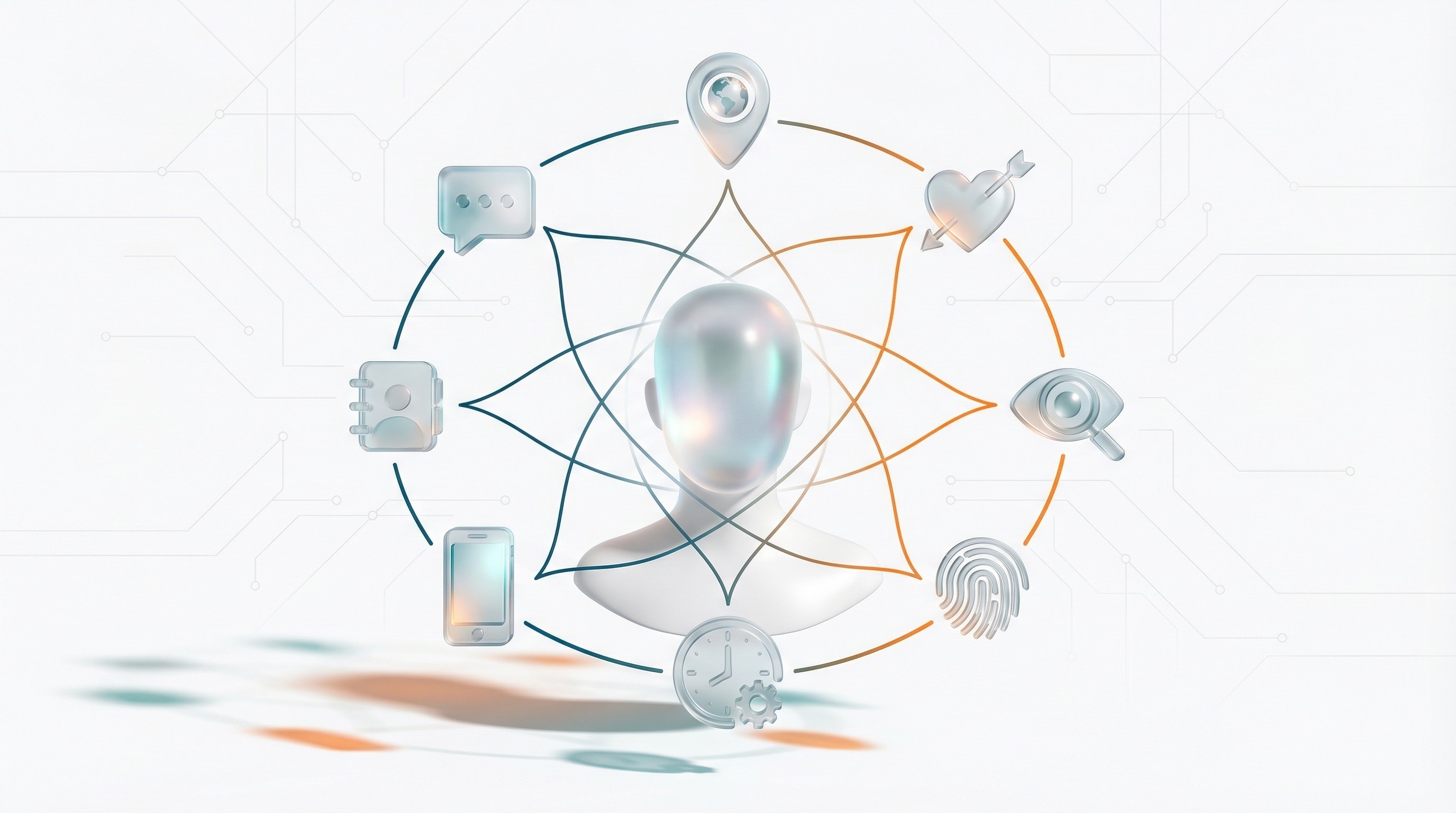
Table of Contents
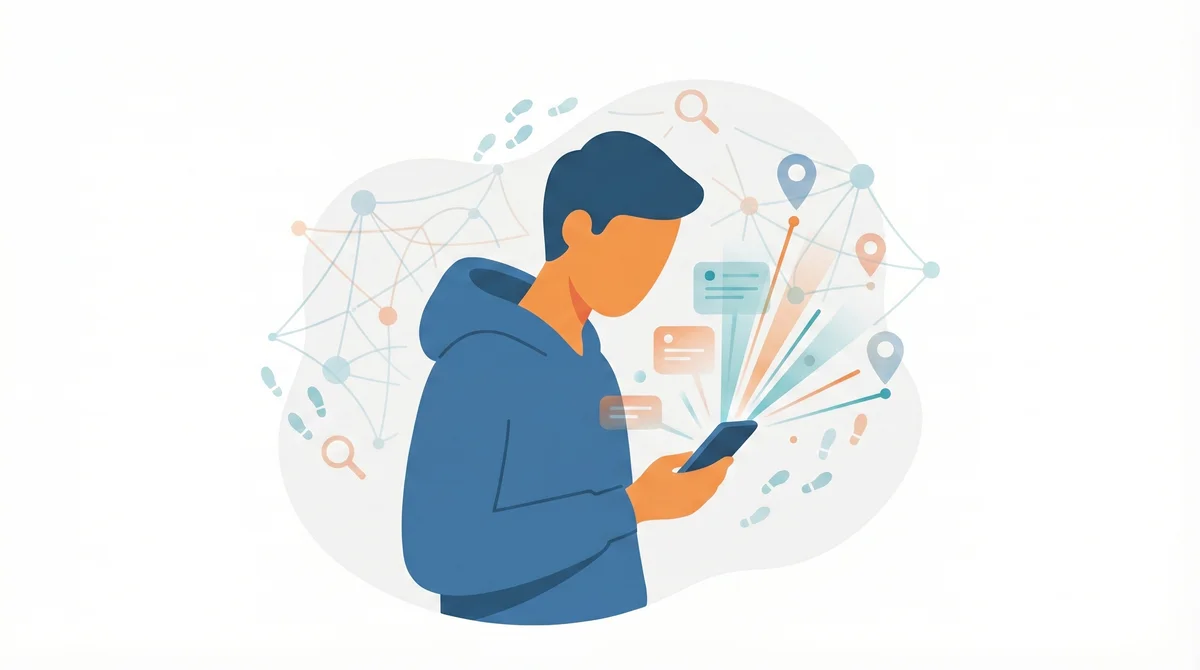
Your phone knows where you went for lunch. It knows who you talked to last night. It knows what you searched for at 2 AM. Social media apps collect all of this and more, often without you realizing it.
Research from Pew and other organizations consistently finds that large majorities of Americans are concerned about how companies use their data. Yet most people do not know what information apps actually gather about them.
Understanding data collection is the first step to protecting your privacy. Here are seven types of data social media apps collect, what they do with it, and why it matters.
Type 1 - Your Identity Information
The most obvious data apps collect is also the most personal. Your name, email address, phone number, birthday, and gender all go into your profile.
This information seems harmless on its own. But combined with other data points, it becomes powerful. Apps use identity data to verify who you are. They also sell or share it with advertisers who want to reach specific demographics.
Some apps go further. They ask for your education, employer, relationship status, and interests. Each field you fill in adds detail to your profile. The more complete the picture, the more valuable you become to advertisers.
Be thoughtful about what you share. Not every field needs an answer. The less you provide, the smaller your data footprint.
Type 2 - Where You Go
Location data is one of the most sensitive types apps collect. They use GPS, IP addresses, and Wi-Fi networks to figure out where you are.
When you check in at a restaurant, the app knows. When you post a photo with location tagging, it knows. But apps also track location passively. They note when you open the app at home versus work. They see your morning commute and weekend trips.
This data reveals patterns about your life. Where you sleep. Where you work. Where you shop. Which doctor you visit. Apps can infer your income level, health concerns, and daily habits from location alone.
Many apps let you turn off location tracking. Check your phone settings to see which apps have access. You might be surprised by how many collect location data in the background.
Type 3 - What You Do on the App
Every tap, scroll, and pause gets recorded. Apps track how long you look at each post. They note which posts you share and which you skip. They measure when you exit and what makes you stay.
This behavioral data helps apps understand what content keeps you engaged. It trains their algorithms to show you more of what works. The goal is simple. Keep you on the app longer so you see more ads. Learn more about how apps make money from your attention.
The tracking goes deep. Apps know if you hesitate before clicking. They see if you start to type a message and delete it. They notice patterns in your usage times. All of this builds a profile of your habits and preferences.
You can limit some tracking through app settings. But behavioral data collection is built into how social apps work. The service is free because your attention is the product.
Type 4 - What You Post and Share
Your posts, photos, and videos are obviously data. But apps collect more than just the content you share publicly.
Private messages often get scanned for keywords. Photos get analyzed for faces, objects, and text. Videos are processed for speech and visual content. Everything you put on the platform becomes part of your profile.
Even deleted content may not disappear. Many platforms keep copies of your posts for their records. Terms of service often grant apps broad rights to use and store your content.
Think before you share. Once something exists on a platform, you lose control over where it goes and who sees it. Assume anything you post could become part of your permanent data record.
Type 5 - Who You Know
Apps map your social connections to understand your place in a network. They track your friends, followers, and who you interact with most.
When you give an app access to your contacts, it uploads every name, phone number, and email in your phone. The app now knows people you never connected with on that platform. It may suggest them as friends or use the data to build profiles of non-users.
Your social graph reveals who matters to you. Apps can infer your relationships, professional network, and community ties. They use this to serve ads based on who you know, not just who you are.
Be cautious about contact uploads. Many apps ask for access but do not truly need it. You can often skip this step during setup.
Type 6 - Your Device Details
Your phone tells apps a lot about you beyond its contents. Device fingerprinting captures your phone model, operating system, carrier, language settings, and battery level.
This data seems minor. But combined with other signals, it helps apps identify you across platforms. Your device details become part of a unique signature that follows you around the internet.
Apps also track technical data like your IP address and connection type. This reveals your approximate location and internet service provider. It helps build a picture of your digital habits.
Some devices now let you limit tracking at the system level. iPhone users can ask apps not to track. Android offers similar controls. These settings do not stop all collection, but they reduce it.
Type 7 - Your Money Habits
If you buy things through social apps, that data becomes part of your profile. Purchase history, payment methods, and spending patterns all get recorded.
Apps track what you buy, when you buy it, and how much you spend. They see which ads led to purchases. They know if you tend to impulse buy or research carefully.
This financial data is valuable. Advertisers pay more to reach people with proven spending habits. Apps can target you based on your likelihood to purchase certain products.
Some platforms also collect data from shopping partners. Your purchases in physical stores might appear in your social profile if you use the same loyalty card or payment method.
What This Means for You
Data collection on social media is not new. But the scale and precision have grown enormously. Apps now build detailed profiles that include who you are, where you go, what you do, who you know, and how you spend.
This profile has value. Companies use it to target ads, predict behavior, and influence decisions. You get free services in exchange for your data. But you may not realize how much you are giving up.
Awareness matters. Once you know what gets collected, you can make informed choices. You might decide to share less. You might turn off certain permissions. You might choose platforms that collect less data. Learn what to look for in privacy policies.
The Bottom Line
Social media apps collect far more than most users realize. The seven types we covered - identity, location, behavior, content, social connections, device details, and financial habits - combine into a detailed portrait of your life.
You do not have to stop using social apps. But you should understand the trade. Your data is valuable. Your attention is profitable. And the choices you make about what to share matter.
At CleoSocial, we take a different approach. We collect only what we need to run the app. We do not sell your data to third parties. We believe you should know what happens with your information.
The more you understand about data collection, the better choices you can make. Your privacy matters. And you have more control than you might think.
Ready for Social Media That Respects You?
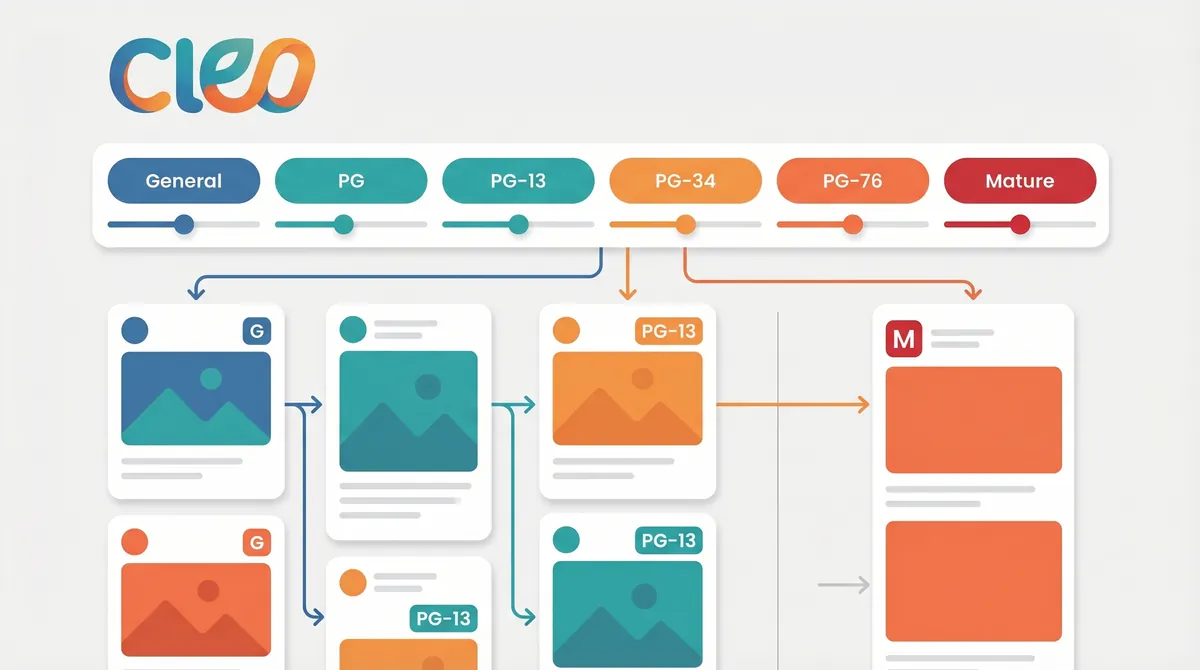
CleoSocial puts you in control. Content ratings, time limits, and real connections. Free to use, always.