How Apps Use Your Data to Show You Ads
Discover how apps use your data to target ads. Learn the tracking methods, from cookies to location data, and what you can do about it.
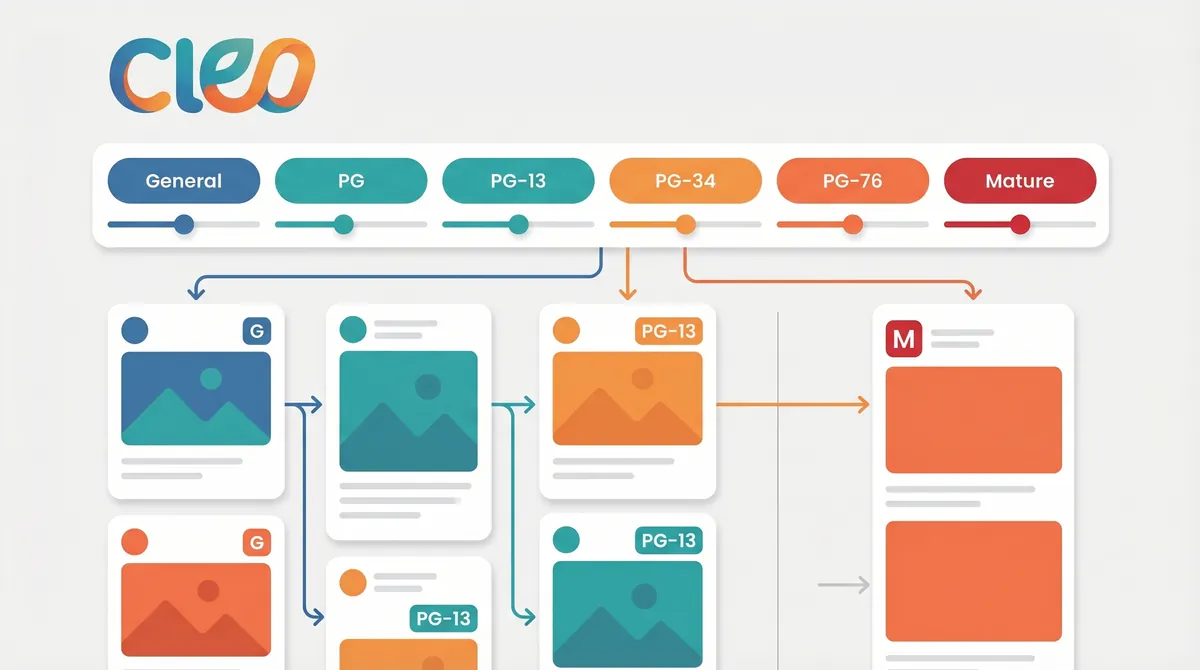
Table of Contents
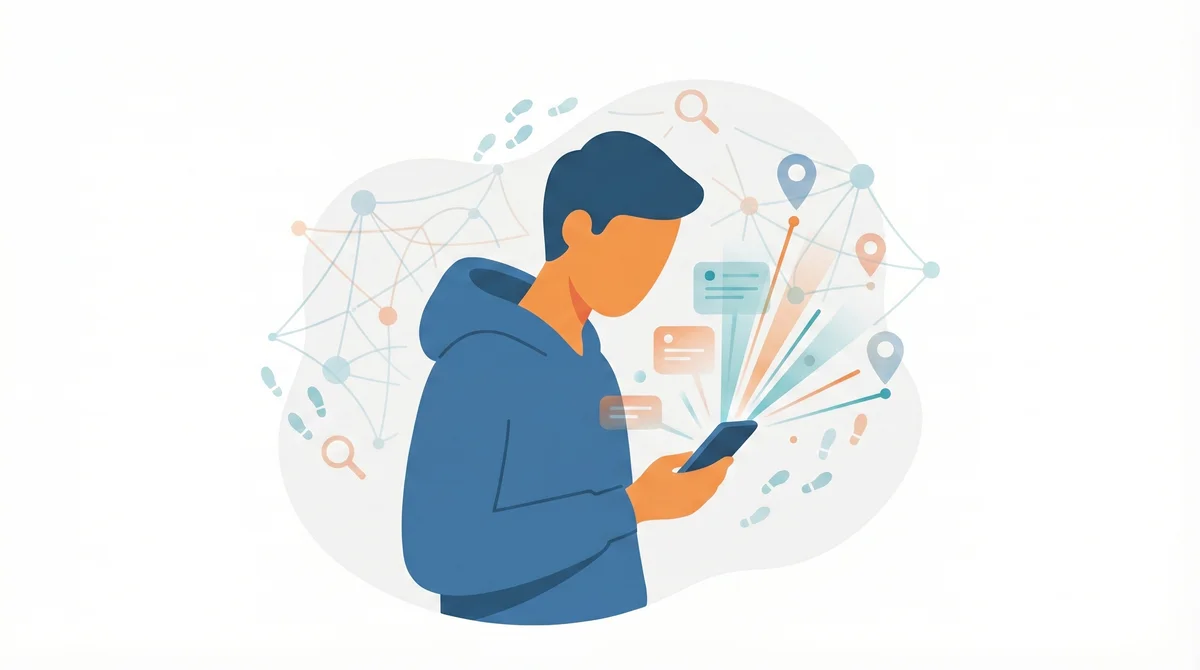
You scroll through your favorite app. Within minutes, an ad appears for something you mentioned to a friend yesterday. It feels like magic. It's not. It's data.
Apps collect information about you constantly. They track what you do, where you go, and what you care about. Then they sell that information to advertisers. That's how the ad business works.
Understanding how apps use your data to show you ads isn't just interesting. It helps you take back control. You can make better choices about what apps you use and what information you share.
Here's how apps collect and use your data for advertising.
Tracking Your Browsing Habits and Behavior
Every time you visit a website, apps track what you do. They watch which pages you visit. They note how long you stay. They see what links you click. Learn more about the 7 types of data apps collect about you.
This tracking happens through cookies and pixels. Cookies are small files stored on your device. They remember information about your visits. Pixels are tiny images embedded in websites. They report back to advertisers about your activity.
Advertisers use this browsing data to build a profile of your interests. If you read articles about gardening, you'll see ads for seeds and tools. If you shop for running shoes, you'll get ads for athletic gear. It seems relevant because it is. But it's also precise because apps are watching everything.
The scary part? This tracking follows you across the web. You might see the same ad on five different websites. That's because one advertising network is tracking you everywhere.
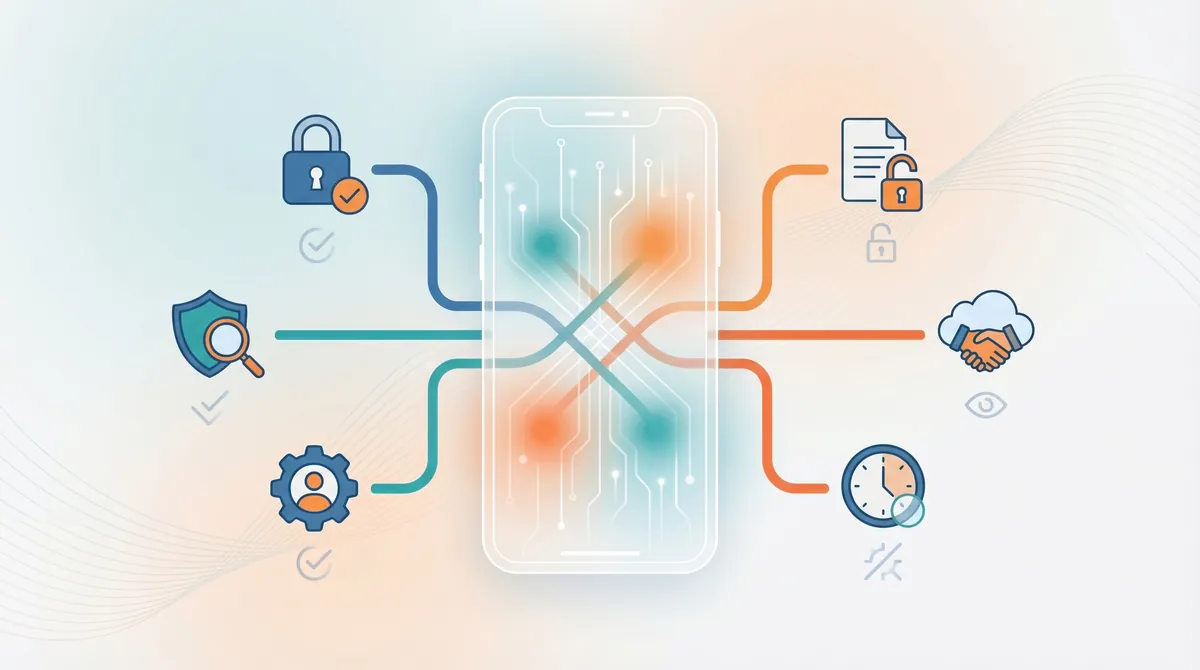
The good news is you can see and block some cookies. Check your privacy settings. Clear your cookies regularly. Use privacy-focused browser extensions. These steps make tracking harder.
How Apps Use Your Data from Your Location
Your phone knows where you are. Apps use that location data in powerful ways.
Advertisers can target you based on geography. They might show ads to people near their store. A coffee shop can advertise to everyone within two miles. A clothing brand can target people in wealthy neighborhoods.
Location tracking goes deeper than just geography though. Apps build patterns from your movement. They know you visit the gym three times a week. They know you shop at specific stores. They see that you eat at certain restaurants.
This behavioral pattern data helps advertisers predict what you'll buy next. If you visit a wedding venue, you'll suddenly see ads for catering services and photographers.
Even scarier, location data can reveal sensitive information. It can show whether you visit doctors, therapists, religious institutions, or political events. Advertisers might not explicitly target based on religion or health. But your location history tells them anyway.
You can limit location tracking in your phone settings. Turn off location services for apps that don't need it. Check which apps have permission to access your location. Disable the permission for apps that don't truly need it.
Data Collected from Your Social Media Profile
Social media apps know you better than anyone. They have your age, gender, interests, relationships, and beliefs. They know your hobbies, your job, and your life goals.
You give this information to the app. You fill out your profile. You like posts. You follow accounts. You join groups. The app remembers everything.
Advertisers can see this data. They can target ads to specific audiences. They can show ads only to women aged 25-34 who like fitness and travel. They can target people interested in specific political topics or brands.
The targeting gets incredibly specific. Facebook's advertising system once let advertisers target people with very detailed criteria. Apps use similar systems today.
You control some of this. You can adjust what information is public. You can limit what advertisers can see. But most people never change these settings. That means most of your data stays available to advertisers by default.
Review your social media settings regularly. Make your profile private if you want. Limit what information is visible to strangers and advertisers. Most apps let you opt out of personalized ads, though it's usually hidden in settings.
Your Purchase History and Financial Behavior
Apps track what you buy. If you shop through an app, the app sees your purchases. If you use a credit card, financial companies track your spending. If you buy things online, data brokers track your habits.
Advertisers buy access to this purchase data. They know what you've bought in the past. They use that to predict what you'll buy next.
Someone who bought a baby stroller will see baby product ads. Someone who bought expensive wine will see luxury goods ads. Someone who bought medical supplies might see health and wellness ads.
This data comes from multiple sources. Some comes from the apps you use directly. Some comes from data brokers. Some comes from credit card companies. All of it gets shared with advertisers.
This is one of the most invasive tracking methods. Your financial behavior is deeply personal. It reveals your budget, your health, your family situation, and your values.
Shopping on a privacy-conscious platform like CleoSocial means your purchases stay private. Avoid connecting payment methods to apps unnecessarily. Use different email addresses for different services when possible. This limits how much companies can connect about you.
How Apps Use Your Data through Third-Party Tracking Networks
You visit one website. Then you see ads for it everywhere. That's because advertising networks follow you across the internet.
These networks include Google Analytics, Facebook Pixel, and dozens of others. They're invisible codes embedded in websites and apps. They track your behavior without you seeing them.
These networks are incredibly powerful. They track millions of people across millions of websites. They build detailed profiles of your interests, demographics, and behavior. Then they sell access to advertisers.
One ad network might track you on 500 different websites. Every site you visit reports back to the network. The network combines all that data. It creates a comprehensive picture of who you are and what you want.
This kind of tracking is what makes advertising so targeted. It's also what makes it so invasive. You can't opt out of all third-party tracking. It happens whether you want it or not.
You can use privacy-focused browsers and extensions. Some block these tracking networks. Some let you see what's being tracked. It's not perfect protection, but it helps.
Data from Partnerships and Brokers
Apps don't just use data they collect themselves. They buy data from outside sources.
Data brokers collect information from public records, transactions, and surveys. They aggregate billions of records about millions of people. According to the Federal Trade Commission, they then sell that data to advertisers.
A data broker might combine your voting record with your income level with your shopping history. They create a detailed profile and sell it to advertisers. Those advertisers use it to target you with specific ads.
Apps also partner with other companies. Your phone service provider, your insurance company, your bank might all sell data about you to advertisers. They sell the right to show ads to their customers.
These partnerships happen in the background. You usually don't know about them. You certainly don't consent to them in any meaningful way.
This is where your privacy gets really complicated. Data brokers and partnerships mean your data is being used in ways you can't see or control.
You can request your data from data brokers. The FTC website has information about this process. You can file complaints if companies violate privacy laws. But the most important thing is understanding that this happens. Your data is valuable. It's being bought and sold.
What You Can Do About It
Understanding how apps use your data is the first step. Taking action is the second.
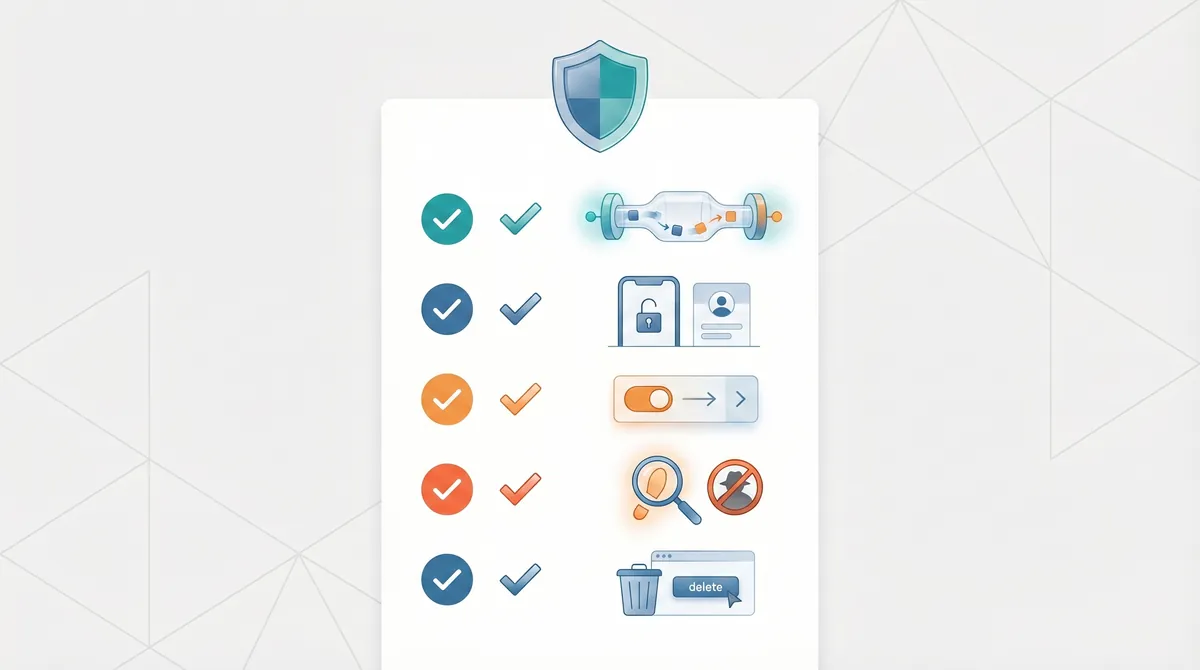
You can use privacy-focused apps. You can adjust your privacy settings on existing apps. You can use browser extensions that block tracking. You can limit what apps can access on your device.
You can also support platforms that treat privacy seriously. Platforms like CleoSocial are built on honest monetization. We don't sell your data to advertisers. We don't build detailed profiles to target ads at you. Our business model doesn't depend on maximum tracking and surveillance.
Privacy is a choice you can make. It requires effort. But the more people who choose it, the more companies will respect it.
Taking Control
Apps track you because it makes money. Advertisers pay for precise targeting. The more data apps have about you, the more they can charge advertisers.
This system benefits the companies. It benefits advertisers. It doesn't benefit you. You get ads for things you might want. But the cost is your privacy and your data.
You don't have to accept this completely. You can limit what data you share. You can use privacy-conscious platforms. You can support companies that respect your information.
Understanding the methods apps use to track you is powerful. It helps you make informed decisions. You can't avoid all tracking. But you can choose to minimize it. You can choose platforms that respect your privacy. You can take back control.
Your data is yours. What you do with it matters.
Ready for Social Media That Respects You?
CleoSocial puts you in control. Content ratings, time limits, and real connections. Free to use, always.