What to Look for in Any Privacy Policy
Learn what to look for in any privacy policy. Discover how to quickly understand what apps do with your data and protect your privacy online.

Table of Contents
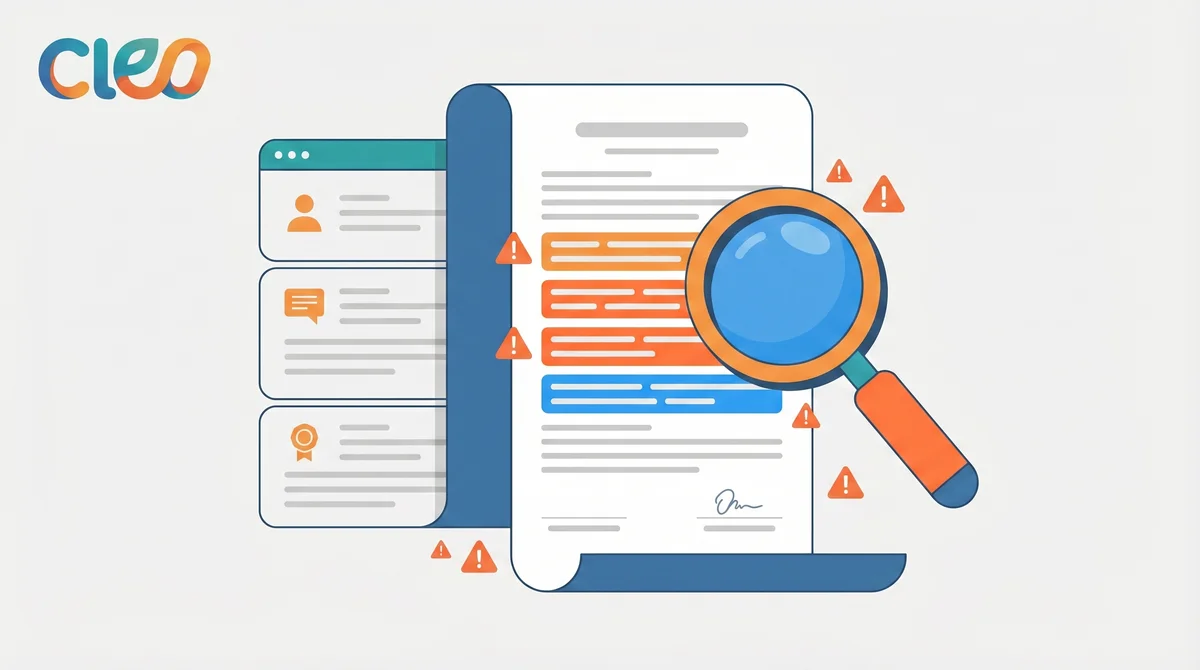
Privacy policies are long, boring, and filled with legal jargon. Most people click "I agree" without reading them. But those documents explain what happens to your data.
Research from consumer advocacy organizations consistently finds that very few Americans read privacy policies fully. Yet these agreements determine how companies collect, use, and share your personal information. Ignoring them means giving blind consent.
You do not need to read every word of every policy. But knowing what to look for helps you make informed choices quickly. Here are six things to check in any privacy policy.
Thing 1 - What Data Gets Collected
Every privacy policy should state what information the company gathers about you. Look for a section about data collection or information we collect. Learn more about the 7 types of data social media apps collect.
Common categories include:
- Information you provide (name, email, photos)
- Information from your device (IP address, location, device type)
- Information from third parties (data from partners or data brokers)
- Information from your use (clicks, searches, interactions)
The scope matters. Some apps collect basic account info. Others track your location, contacts, and behavior across the web. The policy should explain what they take.
If the collection scope seems excessive for the service offered, that is a warning sign. A flashlight app probably does not need your contacts list.
Thing 2 - How Your Data Gets Used
Collection is only half the picture. How companies use your data matters equally. Look for sections about how we use information or purposes of processing.
Legitimate uses include:
- Providing the service you signed up for
- Communicating with you about your account
- Improving the service
- Protecting against fraud and abuse
Watch for uses that benefit the company more than you:
- Training artificial intelligence systems
- Selling insights to advertisers
- Sharing with unnamed partners
- Research that is not clearly explained
The policy should be specific about use cases. Vague language like "to improve our services" can cover many activities. When in doubt, ask for clarification.
Thing 3 - Who Gets Your Data
Your data does not always stay with the company you gave it to. Privacy policies should list who else can access your information.
Look for mentions of:
- Third-party service providers (companies that help run the app)
- Advertising partners (companies that show you ads)
- Data brokers (companies that buy and sell information)
- Affiliates (related companies under the same ownership)
Some sharing is necessary. Apps need servers, payment processors, and analytics tools. But you should know who these partners are and what they do with your data.
The broadest sharing is often the most concerning. Phrases like "share with our partners" or "provide to third parties" deserve attention. Without specifics, your data could go anywhere.
Thing 4 - How Long Data Is Kept
Data retention matters. The longer a company keeps your information, the more risk you carry. Look for a retention section or mention of deletion.
Good policies specify:
- How long different types of data are stored
- What triggers deletion (account closure, inactivity)
- Whether backups retain your data
- How to request early deletion
Vague retention is common. Policies often say "as long as necessary" without defining necessary. This leaves the company in control of your data timeline.
Some regulations require deletion on request. If you want your data removed, check whether the policy explains how to make that request. A company that makes deletion hard may not value your privacy.
Thing 5 - Your Rights and Choices
Privacy policies should explain what control you have over your data. Look for sections about your rights, your choices, or how to manage your information.
Key rights include:
- Accessing the data a company holds about you
- Correcting inaccurate information
- Deleting your data
- Opting out of certain uses or sharing
- Downloading a copy of your data
Your specific rights depend on where you live. Users in Europe have more rights under GDPR. Users in California have rights under CCPA. Good policies explain rights based on location.
Even if you do not plan to exercise these rights, knowing they exist matters. Companies that offer robust choices tend to respect privacy more than those that offer none.
Thing 6 - How You Get Notified of Changes
Privacy policies change. Companies update their practices and adjust their terms. The policy should explain how you will learn about changes.
Look for:
- Whether you get direct notice or just an in-app banner
- Whether you can opt out of changes
- What happens if you disagree with new terms
- Where updates are posted
Some policies reserve the right to change terms at any time and continue using your data unless you close your account. This puts the burden on you to monitor changes.
Better policies require your consent for meaningful changes. They notify you by email. They explain what is different. They give you time to decide whether to stay.
What This Means for Your Privacy
Reading privacy policies takes effort. But that effort pays off when you discover an app shares more data than you realized or keeps it longer than you want.
You do not have to read every word. Scan for the six things we covered. If something concerns you, dig deeper. If the policy is unclear, that itself is information.
Privacy is not just about what you share. It is about what you agree to let others do with what you share. The more you know, the better choices you can make.
The Bottom Line
Privacy policies matter, even though few people read them. The six things to look for - data collection, data use, data sharing, retention period, your rights, and change notification - reveal what a company will do with your information.
Not every policy will satisfy every concern. But understanding what you are agreeing to lets you make informed choices. You might accept certain trade-offs. You might avoid apps that cross your lines.
At CleoSocial, our privacy policy is written to be understood. We collect what we need. We explain what we do with it. We let you access, correct, and delete your data. We notify you of changes. We believe transparency is the foundation of trust.
Your data is yours. Before you click "I agree," take a moment to understand what you are agreeing to. The few minutes you spend could save you from surprises later.
Ready for Social Media That Respects You?
CleoSocial puts you in control. Content ratings, time limits, and real connections. Free to use, always.