What I Wish I Knew Before Building a Social App
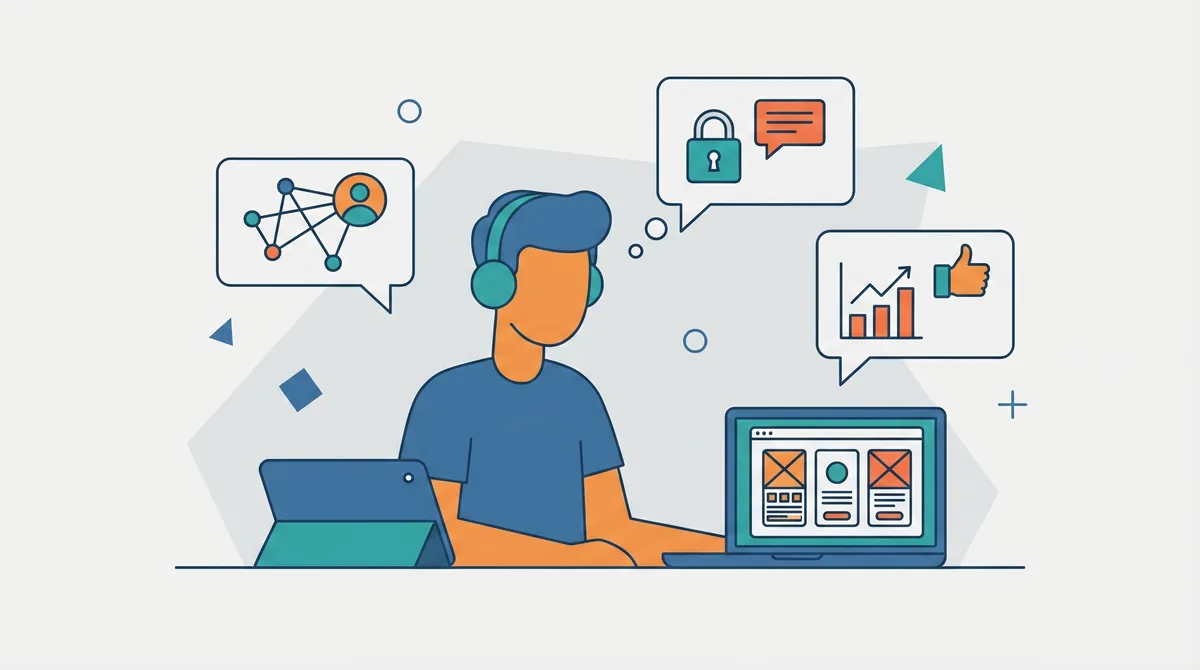
Starting a technology company is often described as a dream, but the reality is much more complicated. When I first sat down to sketch out the idea for CleoSocial, I was filled with excitement and a bit of naivety. I knew the internet was broken, and I thought I had the perfect solution. However, there is a mountain of hidden challenges that I wish I knew before building a social app in such a competitive world. It isn't just about writing code or designing pretty buttons. It is about fighting against a global system that rewards addiction and punishes intentionality. Over the last two years, I have learned lessons that no business school or coding bootcamp could ever teach. This article is a transparent look at the struggles, the surprises, and the hard truths I discovered while trying to build a better way for us to connect online.
[IMAGE: A founder looking at a computer screen late at night with a coffee mug and sticky notes, alt: 6 things I wish I knew before building a social app]
Why I Wish I Knew Before Building a Social App About the Cost of Safety
The first and most shocking lesson I wish I knew before building a social app was how expensive it is to prioritize safety over growth. In the tech world, the "standard" way to build an app is to grow as fast as possible and worry about the consequences later. This is cheap because you don't spend money on moderation or safety tools until you are forced to by a government. But when you build an app like CleoSocial, where safety is the main feature, the costs are front-loaded.
Developing our G, PG, PG-13, and R rating system required a massive investment in both AI technology and human oversight. We couldn't just use a "off-the-shelf" filter because those filters miss too much context. We had to build a proprietary system that understands the nuances of human emotion and intent. This kind of ethical engineering costs three times more than building a standard "engagement-first" app. I spent many nights looking at our budget and realizing that doing the right thing is often the most expensive path. However, I also realized that you cannot put a price on the mental health of your users. Learn more about why content ratings change social media.
The Hidden Struggle of Fighting the Attention Economy
I underestimated how much the "Attention Economy" has rewired all of our brains. Another thing I wish I knew before building a social app was how hard it is to convince people to choose a "quiet" experience over a "loud" one. We are so used to the constant pings, red dots, and shocking headlines of mainstream apps that a healthy environment can feel "boring" at first. It is like switching from a diet of sugary soda to plain water; it takes time for your taste buds to adjust.
We had to work incredibly hard to design an interface that felt engaging without being addictive. We had to resist the urge to add "infinite scroll" or "suggested reels" that we knew would keep people on the app longer but leave them feeling worse. This meant we had to find new ways to define success. We stopped looking at "total minutes spent" and started looking at "user satisfaction." Fighting the pull of the dopamine loop is a daily battle, and it is a challenge that every ethical founder must face.
Why Community Trust is Harder to Build Than Software
You can hire the best engineers in the world to build an app, but you cannot buy trust. This is a vital lesson I wish I knew before building a social app in an era of deep skepticism. After years of data breaches and broken promises from Big Tech, users are naturally wary of any new platform. They want to know: "Are you just going to sell my data like the others?" or "Will this app still be around in a year?" Transparency is key, as discussed in our guide to recognizing honest data practices.
Building trust requires radical transparency. We had to be open about our funding, our business model, and our mistakes. We had to show people that we weren't a billionaire's side project, but a community-driven movement. This meant spending hours every day talking directly to our early adopters, answering questions, and listening to feedback. Software is predictable; human relationships are not. I learned that the code is actually the easy part. The real work is building a culture where people feel safe and respected.
The Technical Challenge of Implementing a Global Rating System
When we came up with the idea for movie-style ratings for social posts, it sounded simple. But the technical reality was one of the biggest hurdles I wish I knew before building a social app. How do you rate millions of pieces of content in real-time? How do you ensure that a "PG" rating in one country means the same thing in another?
We had to create a hybrid system that uses both advanced AI and community reporting. This required building a complicated "reputation engine" for our users. If someone consistently rates content accurately, their vote carries more weight. If someone tries to "troll" the system by mislabeling content, they lose their ability to rate. Balancing this system to be fair, accurate, and fast was a nightmare for our development team. It taught me that innovation often looks simple on the outside but is incredibly messy on the inside. Every time a user successfully filters out a traumatic post because of our ratings, I know the struggle was worth it. Content moderation systems require careful design to be effective.
Why I Wish I Knew Before Building a Social App About Loneliness
Founding a company is often a lonely experience, but building a social app is uniquely isolating. This is something I wish I knew before building a social app at the start of my journey. You are constantly thinking about how to bring people together, yet you spend most of your time behind a screen or in meetings. There is also a heavy emotional weight to being responsible for a platform where people share their lives.
When something goes wrong, or when a user has a bad experience, you feel it personally. You carry the stress of the mission with you everywhere you go. I had to learn how to practice the same "digital wellness" that I advocate for our users. I had to learn to put my own phone away and reconnect with my own community. You cannot build a healthy social space if you are not healthy yourself. This realization changed the way I lead my team and how I structure my day.
Balancing Radical Transparency with Competitive Growth
In the startup world, you are usually told to keep your secrets close to your chest. But because our mission is based on honesty, we decided to build CleoSocial "in plain sight." This was a risky move that I wish I knew before building a social app would be so mentally taxing. By sharing our roadmap and our challenges publicly, we invited everyone to judge our progress.
While this transparency helped us build a loyal fan base, it also made us vulnerable to critics and competitors. We had to develop a thick skin and stay focused on our "Why." We learned that being "first" isn't as important as being "right." By staying true to our values, even when it was inconvenient, we created a brand that people actually believe in. I’ve realized that transparency isn't just a marketing tactic; it is a way of life that filters out the people who don't share your vision.
Looking Back at Two Years of Intentional Development
As I look back on the last 730 days, I am filled with a sense of pride that outweighs the exhaustion. Even with everything I wish I knew before building a social app, I would still choose to do it all over again. The lessons I learned have made me a better leader and a more conscious human being. We have successfully built a platform that doesn't rely on exploitation, and that is a rare thing in 2026.
We have proven that there is a market for kindness and a demand for safety. We have shown that you don't need a billion dollars to make a difference; you just need a clear mission and a community that cares. The mistakes we made along the way weren't failures; they were the "tuition" we paid to learn how to build a better future.
Lessons for the Next Generation of Ethical Founders
If you are thinking about building your own app or starting a movement, my advice is to embrace the struggle. Knowing what I wish I knew before building a social app wouldn't have made the work easier, but it would have made me more prepared. Don't be afraid of the high costs of safety or the slow pace of building trust. These are the things that will ultimately set you apart from the crowd.
The world doesn't need another "viral" app. It needs apps that help us be more human. It needs founders who care more about their users' minds than their own profit margins. If you stay true to your "Why," the "How" will eventually find its way. Thank you for being part of our journey and for believing that the internet can be a place where we all truly belong.
Ready for Social Media That Respects You?
CleoSocial puts you in control. Content ratings, time limits, and real connections. Free to use, always.

Continue Reading
How to Choose a Safer Social Media App for Your Family: What to Look For
June 18, 2026
CleoSocial vs Screen-Time Apps: Which Actually Helps You Scroll Less?
June 16, 2026