How Social Media Affects Your Sleep and Mood
Research shows social media use changes how we sleep and feel. Learn how scrolling impacts your rest and mental health, plus what science says.
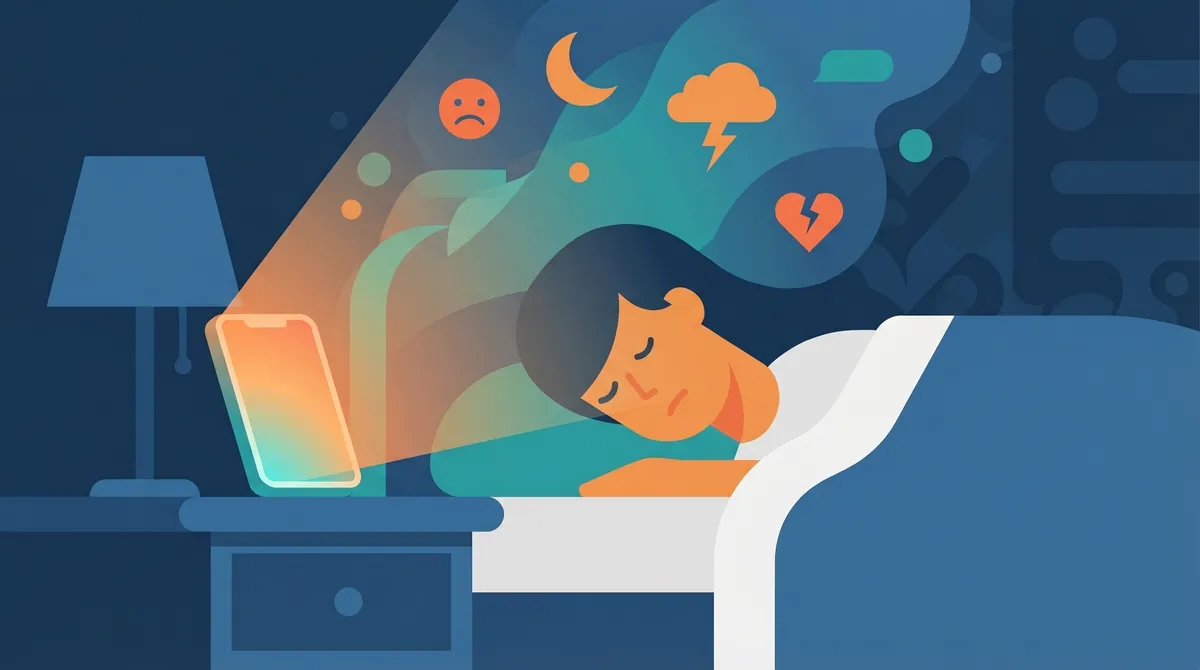
Table of Contents
Medical Disclaimer: This article is for informational purposes only and does not constitute medical advice. If you are experiencing sleep disorders, chronic insomnia, or mental health concerns, please consult a qualified healthcare professional.
Understanding the Connection Between Scrolling and Rest
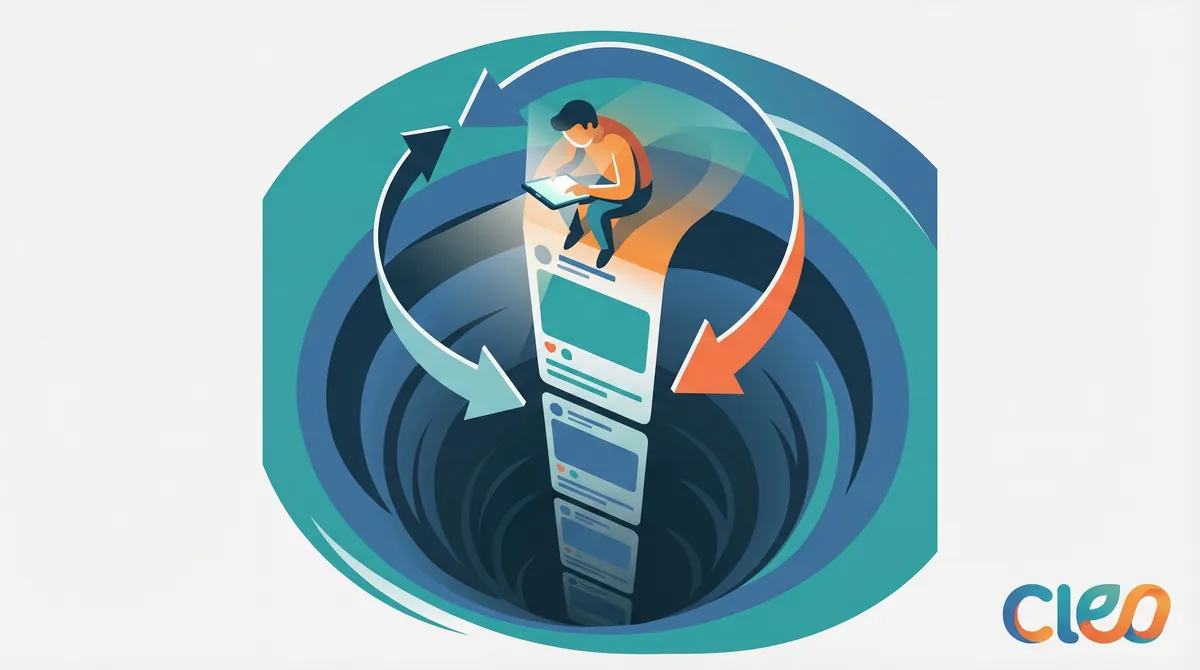
When you pick up your phone before bed, your brain doesn't know it's almost time to sleep. Social media and sleep have a complicated relationship. What starts as a quick five-minute scroll often turns into thirty minutes or more. During that time, your mind becomes more alert. Your body stays awake longer. Meanwhile, your mood shifts based on what you see.
Scientists have been studying this connection for years. The evidence is clear: the way we use social media affects both how well we rest and how we feel during the day. This matters because sleep and mood are connected. When you don't sleep well, your mood suffers. When your mood drops, you might sleep even less. It becomes a cycle that's hard to break.
The good news? Once you understand how social media impacts your rest and feelings, you can make better choices. You don't need to quit social media entirely. You just need to understand what's happening and take control.
Blue Light Delays Your Sleep Rhythm
Your body has a natural clock. This clock tells you when to feel alert and when to feel tired. The signal that controls this clock comes from light. Blue light is especially powerful at sending wake-up signals to your brain.
Social media apps produce a lot of blue light. When you scroll at night, you're sending your brain a message: stay awake. Research from sleep medicine organizations shows that screens used within one hour of bedtime can significantly delay sleep. Some people experience delays of an hour or more.
This happens because blue light suppresses melatonin. Melatonin is the hormone that makes you feel sleepy. Without enough melatonin, falling asleep becomes harder. Your body thinks it's still daytime, even though it's midnight. Research from the National Sleep Foundation confirms this effect across numerous studies.
The effect is strongest in the hour before you try to sleep. Many people find that putting their phone down earlier makes a real difference in how quickly they fall asleep.
Information Overload Overwhelms Your Brain
Your brain is designed to process information. But it has limits. When you scroll through feeds, your brain receives hundreds of pieces of information per minute. Images, text, headlines, notifications. Your mind tries to process it all.
This constant input keeps your brain active. Active brains don't rest well. Even after you put your phone down, your mind keeps working. Thoughts from what you saw keep cycling through. You lie in bed thinking about posts, comments, and videos.
Studies show that heavy social media use before sleep leads to longer time falling asleep. Research in sleep and technology journals has found that users who check social media right before bed often report worse sleep quality. Your brain stays in "receive mode" instead of shifting into "sleep mode."
Giving your brain time to settle down helps it prepare for rest. Many people find that having a wind-down period without screens helps them sleep faster and deeper.
Comparison and Anxiety Spike Your Stress at Night
Social media is full of curated moments. People share their best days, best photos, best news. When you scroll at night, you're comparing your real, tired self to everyone else's highlight reel. This comparison can trigger anxiety.
Anxiety is the enemy of sleep. When you feel worried or stressed, your body releases cortisol. Cortisol is a stress hormone. It makes your heart beat faster and keeps your mind alert. These are useful if you're facing real danger. But when you're lying in bed, they just make sleep harder. If you're concerned about your overall screen time patterns, check out the 7 signs that your screen time may be too high.
Research from mental health organizations shows that heavy social media use is linked to increased anxiety and depression symptoms. Nighttime scrolling can amplify these effects. You're already tired and more vulnerable to negative thoughts. Then you see images that make you feel "less than." Your anxiety climbs.
The mood effects don't stop when you stop scrolling. These feelings carry into your sleep and your next day. Poor sleep makes anxiety worse. Then you might turn to social media to cope, starting the cycle again.
Notifications Keep Pulling Your Attention Back
Your phone buzzes. A notification pops up. Someone liked your post. Someone commented. Someone shared. These little alerts are designed to grab your attention. And they work.
Each notification creates a small reward in your brain. Your body releases dopamine. This is the same chemical released when you eat something delicious or accomplish something. Your brain starts to crave these notifications. Even when you're trying to sleep, you wonder if you missed something important.
This is especially true if your phone is within arm's reach. Many people keep their phones on their nightstands. That means notifications can wake you up throughout the night. Even if you don't fully wake, these interruptions break up your sleep cycles. Broken sleep is low-quality sleep.
Research shows that having your phone in the bedroom affects sleep quality, even if you don't touch it. Your brain is aware the phone is there. Part of your attention stays on it. This divided attention prevents deep, restorative sleep.
Chasing Likes Drains Your Sleep and Self-Worth
Chasing engagement is exhausting. You post something and then check to see how many likes it got. You refresh. You check again. You wonder why a certain post didn't get as many likes as you expected. You might feel disappointed or rejected.
These feelings are real, even though the likes are just numbers. Your brain processes social rejection similarly to physical pain. This emotional activation happens in the evening. You lie down to sleep, but the thoughts keep going. Did people like your post? What does it mean if they didn't? What will you post tomorrow?
This pattern disrupts sleep onset. Your mind stays focused on social metrics instead of settling down. Some people find they sleep worse on nights after posting. They're waiting for the engagement to build.
Over time, this cycle affects your overall sleep quality. You might sleep longer hours but wake up feeling less rested. This is because your sleep is less deep. Your nervous system stays slightly activated throughout the night.
FOMO Creates Night-Waking and Restless Sleep
FOMO stands for fear of missing out. Social media thrives on FOMO. There's always something new happening. Always something you might have missed. Always a reason to check "just once more."
This fear stays with you even when you put your phone down. Part of your mind wonders what you're missing. What if something important happened? What if someone posted something you should see? This mild anxiety can interrupt sleep.
Night-waking is common among heavy social media users. You fall asleep fine. But at 2 a.m. or 4 a.m., you wake up. Your mind immediately goes to your phone. You lie awake because you're thinking about social media. The temptation to check is strong.
This broken sleep pattern affects mood significantly. Your body doesn't get the deep, continuous sleep it needs for emotional regulation. So the next day, you feel more irritable, more anxious, and more prone to stress. A bad mood might lead to more social media use to cope, which disrupts the next night's sleep.
Evening Scrolling Dysregulates Your Mood the Next Day
Sleep and mood are partners. They influence each other. When you don't sleep well, your mood suffers the next day. And when your mood is already low, you're more likely to sleep poorly the next night.
Research from multiple universities has found that students who used social media more extensively reported lower life satisfaction and higher symptoms of anxiety and depression. This connection was stronger in students who used social media at night.
Here's why: sleep is when your brain processes emotions. Deep sleep helps you regulate how you feel. When social media disrupts your sleep, your brain doesn't get this processing time. You wake up feeling overwhelmed more easily. You have less patience. You feel more sadness. You're more likely to feel lonely, even if you spent an hour scrolling through social media feeds.
And when you feel this way the next day, you're more vulnerable to the mood effects of social media use itself. A bad mood might look like validation online, so you scroll more. You stay up later. You sleep worse. The cycle continues.
Taking Control of Social Media and Sleep
Understanding how social media and sleep connect is the first step. The second step is taking action. You don't need complicated strategies. Small changes often make the biggest difference.
Many people find that putting their phones down one hour before bedtime helps them sleep faster and deeper. Some people keep phones out of the bedroom entirely. Others use settings that limit notifications at night. On CleoSocial, you can set time limits that work for you. You're in control, not the algorithm. You can also use content ratings to filter out intense content before bed.
The point isn't to feel guilty about screen time. It's to be intentional about it. Choose when you use social media instead of letting it choose for you. Your sleep will thank you. Your mood will too.
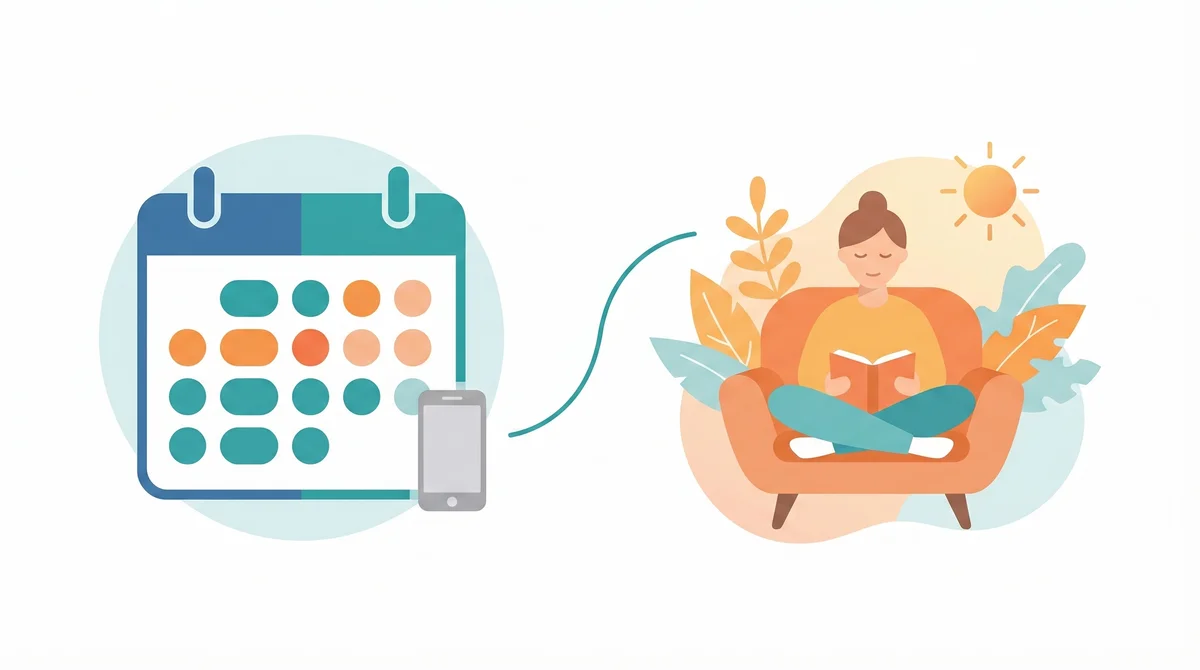
Consider what a better evening looks like for you. Maybe it's reading instead of scrolling. Maybe it's talking with someone. Maybe it's just quiet time with your thoughts. Give your brain the space to wind down. Your next day will feel different.
If you want to learn more about digital wellness, check out our complete guide to screen time and wellbeing. You can also read about CleoSocial's mission to put you in control of your social media experience.
The Research Is Consistent, but Your Choices Matter
Study after study confirms the connection between social media use and sleep quality. The NIH, CDC, and Sleep Foundation have all published findings on this topic. The science is clear. But the science is also clear about this: awareness and intentional choices change outcomes.
You're not powerless. You're not stuck. You can change how and when you use social media. Every night you put your phone down earlier is a night your brain gets better rest. Every morning you wake up more rested is a day your mood will be better. That matters more than any number of likes ever will.
Ready for Social Media That Respects You?
CleoSocial puts you in control. Content ratings, time limits, and real connections. Free to use, always.