How Scheduled Social Media Breaks Improve Your Wellbeing
Discover how scheduled social media breaks can reduce stress, improve sleep, and help you feel more present in your life.
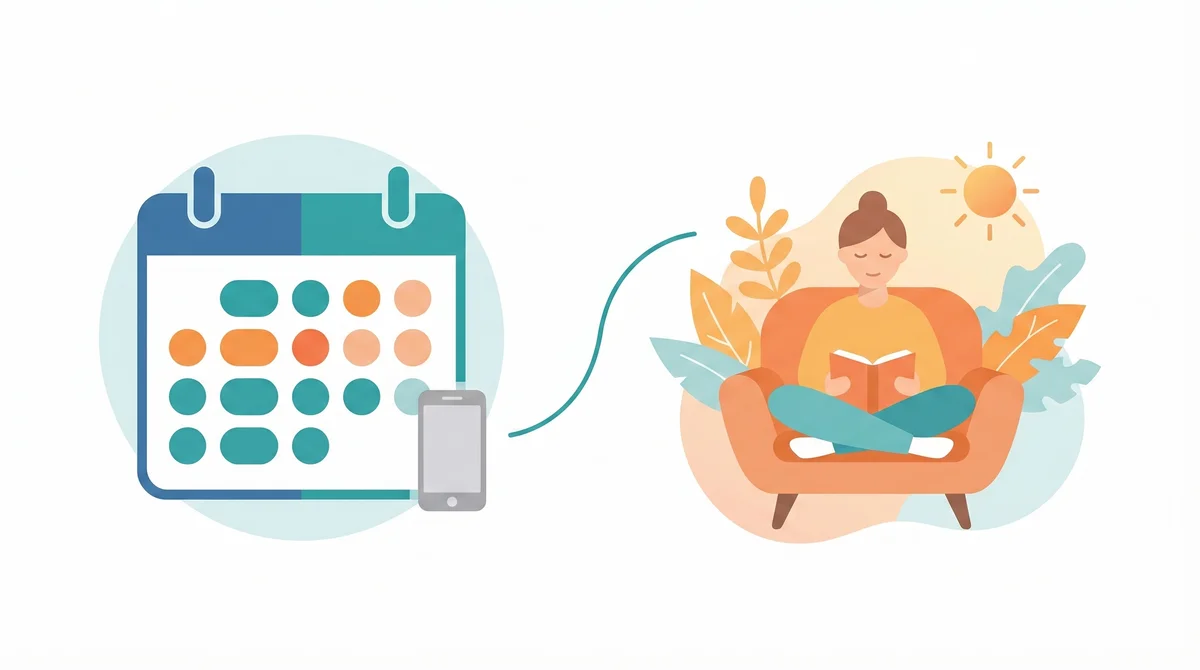
Table of Contents
Medical Disclaimer: This article is for informational purposes only and does not constitute medical advice. If you are experiencing severe stress, anxiety, depression, or other mental health concerns, please consult a qualified healthcare professional.
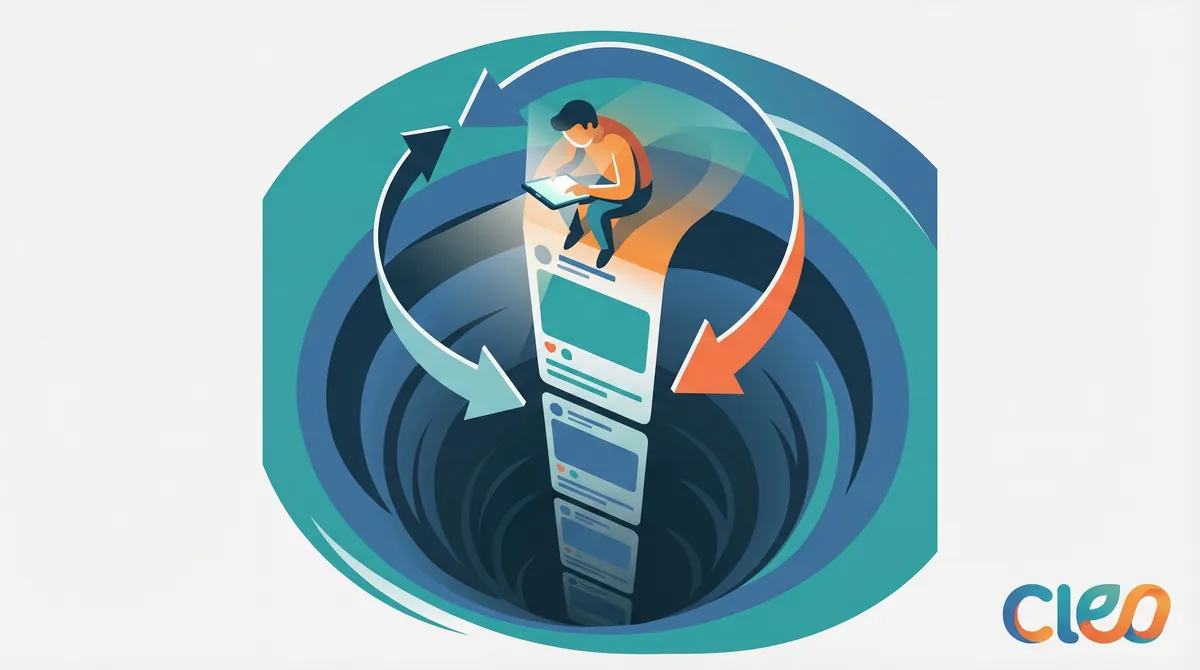
You know that feeling when you pick up your phone at 9 p.m., promising yourself five minutes of scrolling? Then suddenly it's 11 p.m., and you've lost two hours of sleep.
Scheduled social media breaks aren't about quitting the apps you love. They're about reclaiming control over when you engage with social content. When you plan your breaks in advance, something shifts. You stop wondering when you should stop scrolling. You stop feeling guilty about lost time. And you start noticing the real effects these platforms have on your wellbeing.
This article explores six specific ways that scheduled social media breaks can improve how you feel, think, and live.
Scheduled Breaks Reduce Decision Fatigue Around When to Stop
Every time you open a social app without a plan, you face an unspoken decision. When should I close this? How many more minutes is okay?
This constant micro-decision drains your mental energy. Research on decision fatigue shows that excessive decision-making depletes the cognitive resources your brain needs for focus and emotional regulation.
When you schedule your breaks in advance, you remove that daily negotiation with yourself. You've already decided. You open the app knowing your window ends at a specific time. No debate. No internal conflict.
The relief is immediate. Your brain gets to redirect that energy toward work, relationships, or hobbies instead of constant "should I keep scrolling?" negotiations.
Many people report that this single change reduces anxiety around phone use. You're not fighting yourself anymore. You're following a plan you chose.
They Reset Your Mood Baseline
Social comparison is built into how social platforms work. You see highlight reels. You notice what others have that you don't. Research from the American Psychological Association and other mental health organizations shows that social media use is linked to increased feelings of inadequacy and low mood.
Your brain adapts to whatever input it receives regularly. If you're constantly exposed to curated versions of other people's lives, your baseline shifts. What once felt like a great day now feels mediocre by comparison.
Scheduled breaks interrupt this pattern. When you step away for hours or days, you reset. You're no longer comparing your internal experience to someone else's external highlight. Your mood baseline drifts back toward reality.
During your break, you notice what makes you genuinely happy. A conversation with a friend. Sunlight. A meal you actually enjoy. These unfiltered experiences recalibrate your sense of normal.
When you return to social media with a reset baseline, you're more resilient to comparison traps. You've reminded yourself what contentment actually feels like.
Scheduled Social Media Breaks Improve Sleep Quality
The blue light from screens suppresses melatonin, the hormone that signals your body to sleep. But the real damage goes deeper.
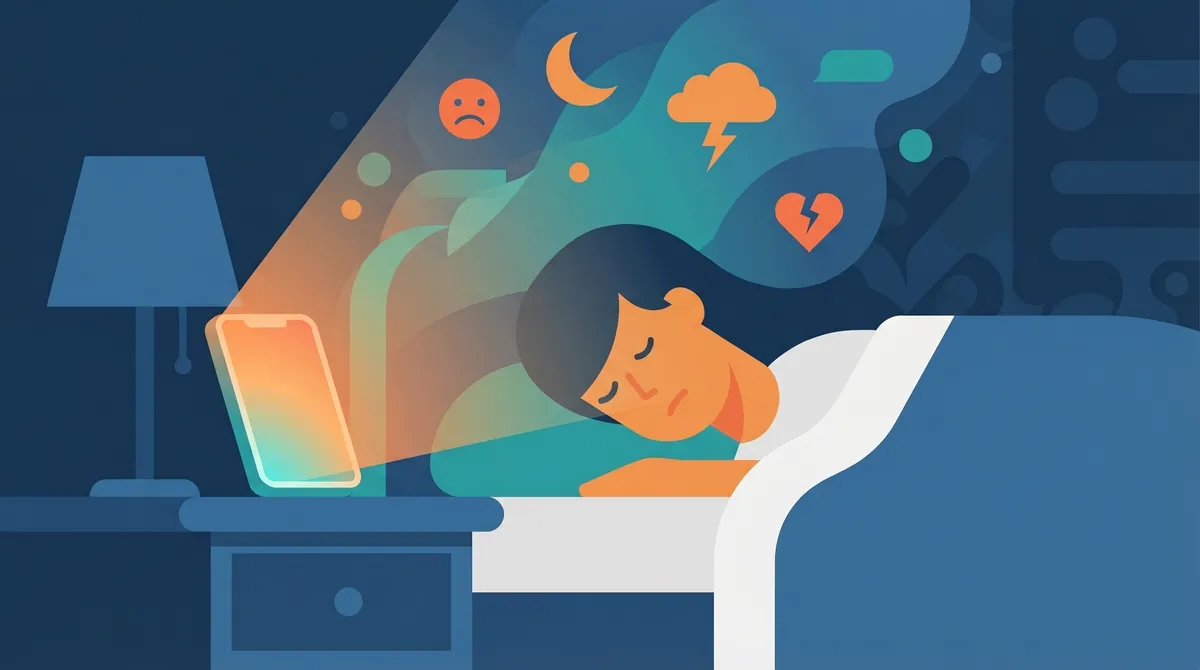
Social media activates your fight-or-flight response. Notifications, arguments, comparison, and unexpected news trigger your sympathetic nervous system. Your body floods with cortisol and adrenaline.
If you're scrolling two hours before bed, you're sending a stress signal to your nervous system right when it needs to wind down. The National Institutes of Health has documented links between evening social media use and insomnia.
Scheduled breaks naturally create a buffer zone between screen time and sleep. When you decide in advance that social media ends at 8 p.m., you protect your evening. You give your nervous system two to three hours to calm down.
Many people who implement this change report falling asleep faster. Their sleep feels deeper. They wake less often during the night. Better sleep ripples into everything else: mood, energy, focus, and immune function.
They Create Space for Real-Life Activities
When does real life happen? Often it happens in the margins.
Without scheduled breaks, those margins fill with scrolling. You have thirty minutes before dinner. Scroll. Waiting for a friend. Scroll. In bed before sleep. Scroll.
These aren't huge time blocks. They're real but scattered. When you schedule your social media breaks, you protect these moments for other things.
That thirty minutes becomes a walk. A real conversation with a family member. Reading that book you bought three months ago. A craft project. Movement. Meditation. Time with no agenda at all.
Research from Pew and other organizations has found that people who limit social media use often report spending more time on hobbies, exercise, and face-to-face socializing. These activities build confidence and resilience in ways that scrolling cannot.
The research is clear: the time you reclaim isn't wasted. You're likely to fill it with things that nourish you.
They Make You More Intentional When You Return
Here's a counterintuitive benefit. When you take a break from social media and then return, you use it differently.
Scheduled breaks break the autopilot habit. You're not reaching for your phone because it's a reflex. You're opening the app because you chose this time to connect.
This mindfulness carries over. Instead of scrolling without direction, you might check messages from specific people. You might visit a creator you actually follow intentionally. You might engage with content that adds something to your day.
Many people report that after a break, their social media use feels more aligned with their values. They're not trying to force themselves to quit the platform. They're just using it in ways that feel genuine and meaningful.
You might discover that you only actually want thirty minutes of social media on Sundays. Or that you prefer connecting with three specific people over a general feed. These realizations can't surface when you're using apps on autopilot.
Scheduled Social Media Breaks Help You Notice How Platforms Actually Affect You
Most people never sit with the question: How do I actually feel when I use this app?
Without a break, the answer stays fuzzy. You don't have a comparison point. You're always in the system.
When you take a scheduled break, you step out. After three days or a week away, you notice what changes. Your energy is different. Your mood is different. Your sleep is different. Your sense of time is different.
Then you return. You scroll for your allotted time. And you feel the shift happening in real time. You notice which content genuinely interests you and which just activates comparison or anxiety. You notice how long it takes before you feel the compulsion to check again.
This awareness is powerful. You stop trusting what the app claims makes you happy. You're gathering your own data about your own experience.
Over time, this knowledge shapes different choices. Maybe you follow different people. Maybe you use the app less often. Maybe you realize you prefer a certain platform to another. You're no longer passive. You're responding to information about yourself.
Starting Your Scheduled Breaks
The research is consistent. Taking scheduled social media breaks improves sleep, mood, and attention. It reduces anxiety and comparison. It creates time for activities that actually nourish you.
If you're thinking about trying this, start small. A scheduled break doesn't mean deleting apps forever. It might mean no social media before 6 p.m. Or one full day each week. Or thirty minutes of intentional use daily, and nothing else.
The point is the structure. The clarity. The choice that you control, not the algorithm.
CleoSocial is built around the belief that social media can be part of a healthy life when you decide how and when you engage. You get to set your boundaries. You get to take breaks. You get to notice what actually serves you.
Start there. Your wellbeing is worth the experiment.
Want help setting boundaries with social media? Learn how Quiet Hours and time limits can work for your life. Explore more digital wellness articles on our blog, and read our privacy practices so you know how we protect your data.
Ready for Social Media That Respects You?
CleoSocial puts you in control. Content ratings, time limits, and real connections. Free to use, always.