How Social Media Uses Dopamine to Keep You Scrolling
Social media platforms use dopamine rewards to keep you scrolling. Learn how these tactics work and why awareness matters for your digital wellness.
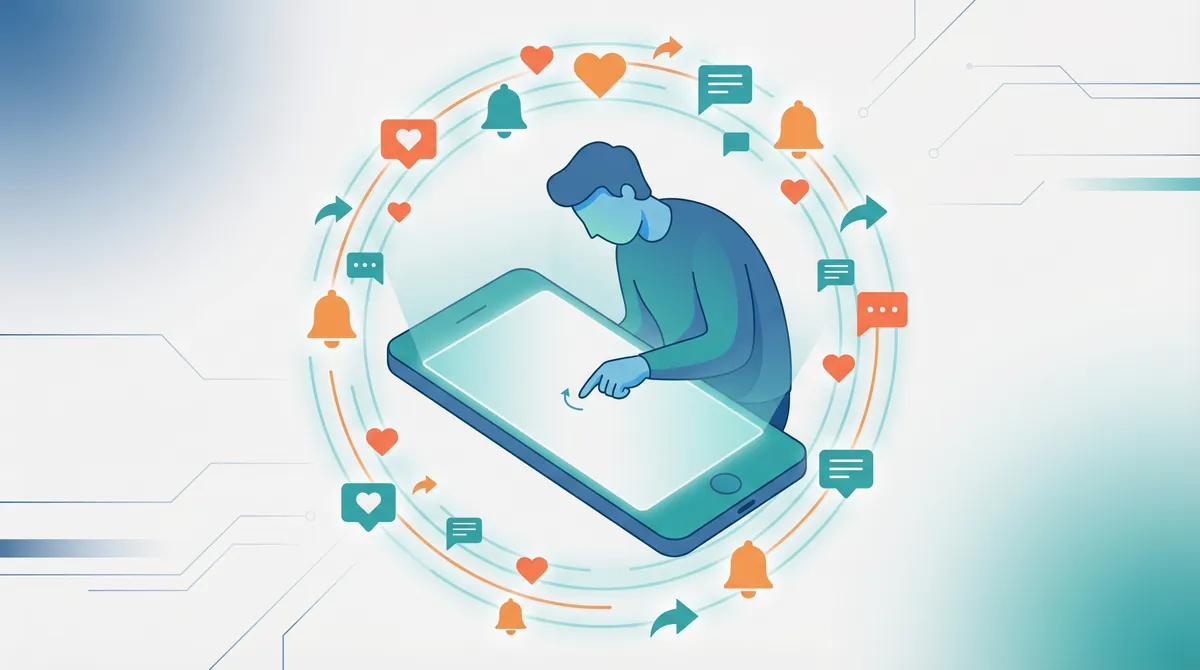
Table of Contents
You open your phone to check one notification. Thirty minutes later, you're still scrolling. Sound familiar?
There's a reason this happens. Platforms are designed with your brain's chemistry in mind. Dopamine and social media have become deeply intertwined. Understanding how this relationship works is the first step toward taking back control.
This isn't about blaming yourself for scrolling too much. It's about understanding the system you're navigating. Here's how social platforms tap into your dopamine response and what that means for your wellbeing.
Likes and Hearts as Reward Signals
Every like or heart you receive triggers a small reward in your brain. Your brain releases dopamine when it sees that notification. Over time, you start chasing that feeling.
Platforms know this. They make the reward system visible and instant. You post something. Within seconds, you might see a heart appear. That visual feedback is intentional design.
Research on social rewards suggests they can activate brain regions associated with pleasure and motivation. Your brain responds to positive social feedback in ways that feel genuinely rewarding.
The problem is what happens next. Your brain wants more of that feeling. So you post again. You check back frequently to see how many likes you got. The cycle continues. This is how dopamine becomes a tool for engagement rather than genuine connection.
The Power of Unpredictable Rewards
Slot machines are addictive because rewards come unpredictably. Social media uses the same principle.
You don't know when your post will get engagement. Sometimes a photo gets ten likes. Sometimes it gets a hundred. That randomness makes the reward more powerful. Your brain gets more dopamine from unpredictable rewards than from predictable ones.
This is called a variable ratio reward schedule. It's the same mechanism that makes gambling compelling. You keep pulling the lever because you don't know what happens next.
Every time you scroll, you're gambling. Will the next post be entertaining? Will it make you laugh? Will you see something from someone you care about? The uncertainty keeps you pulling the lever, feed after feed.
Platforms engineer this unpredictability. Content order is randomized. Engagement varies wildly. Your brain stays hooked because it never knows what's coming.
Streaks and Badges Keep You Coming Back
Snapchat streaks. LinkedIn daily check-ins. Instagram activity rings. These all use the same psychological hook.
When you achieve a streak, dopamine is released. You feel progress. You feel achievement. Your brain categorizes this as success, even though it's just a number in an app.
The real genius of this design is the fear of loss. If you break your streak, you lose something you worked to build. This fear is often more powerful than the desire for reward. You check the app to maintain your streak, not because you want to be there.
Badges create a similar effect. They gamify normal behavior. Commenting becomes an achievement. Sharing becomes progress. The dopamine comes from leveling up, from collecting badges like achievements in a video game.
These systems aren't explicitly addictive. But they tap into fundamental human desires for progress and status. Your brain is wired to seek these things. Platforms simply channel that instinct toward their own engagement goals.
Notifications as Dopamine Triggers
Your phone buzzes. Your heart rate might increase. You feel a pull toward checking it immediately.
Notifications are interruption devices. They're designed to break your focus and pull you back into the app. Each notification is a tiny dopamine hit. Someone liked your post. Someone replied to your comment. Someone started following you.
But more importantly, notifications create anticipation. Your phone buzzes and you wonder what it might be. That wondering itself triggers dopamine release. Your brain is preparing for a reward.
Platforms know this. They send notifications strategically. They time them when research suggests you're most likely to engage. They craft the message to create curiosity. "You have 5 new notifications" is designed to make you wonder what they are.
This is especially true for notifications about social validation. When someone likes your post or follows you, platforms prioritize that notification. They know it will bring you back.
Comparison and Social Validation Drive Engagement
Social media presents a carefully curated view of other people's lives. You see their highlight reel. You compare it to your behind-the-scenes reality.
This comparison triggers dopamine in two ways. First, if you see someone doing "worse" than you, you feel a small boost. Your brain likes feeling ahead. Second, if you see someone doing better, you feel motivated to catch up. That motivation is dopamine-driven.
More importantly, you internalize the value system of the platform. Likes become synonymous with worth. Comments become validation. Followers become status.
Your brain treats social validation similarly to other forms of status achievement. Getting a thousand likes feels like an accomplishment. Losing followers feels like a failure. These aren't logical responses. They're dopamine responses.
Platforms amplify this by making social metrics visible. You can see exactly how many likes each post gets. You can see if your follower count went up or down. This constant measurement creates constant comparison.
The dopamine comes from the validation itself, but also from the public nature of that validation. It matters that everyone can see you got the like. That visibility is what makes it feel real.
New Content Always Loads Automatically
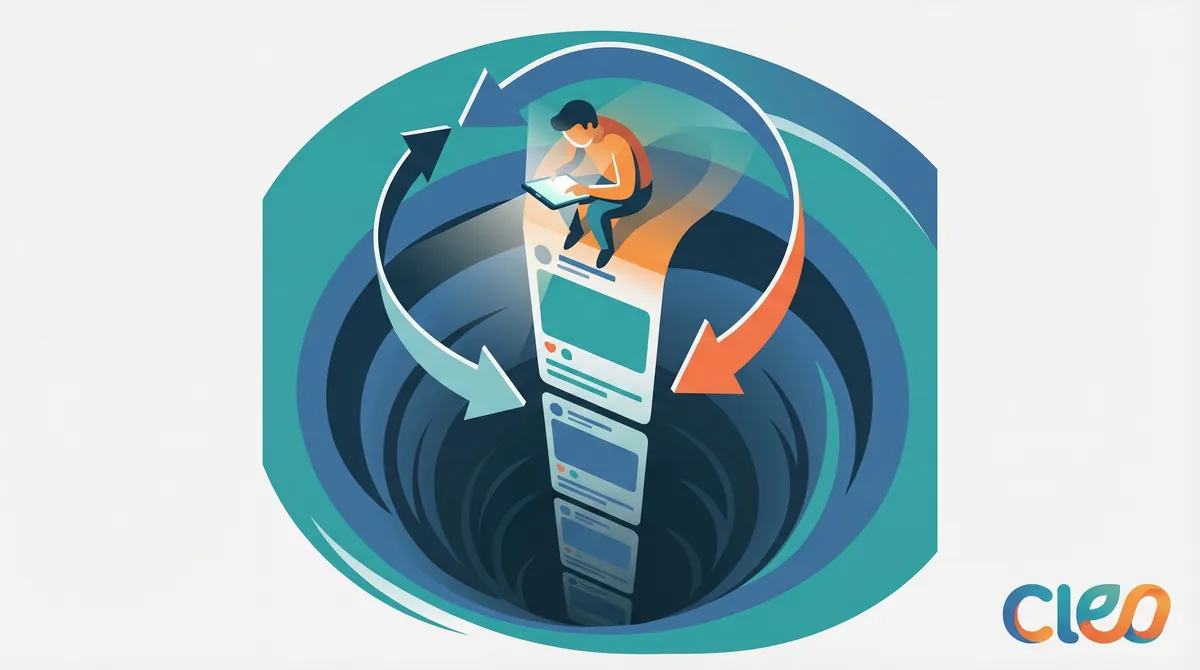
Infinite scroll is one of the most powerful engagement mechanics ever invented.
Traditional websites have ends. You reach the bottom. You have to choose to load more. Infinite scroll removes this friction. New content loads automatically as you scroll. There's no natural stopping point.
This is crucial for dopamine engagement. Each new post is a potential reward. It might be funny. It might be interesting. It might trigger social comparison or validation. You don't know until you see it.
Your brain stays in reward-seeking mode. It keeps scrolling because the next piece of content might be the one that triggers dopamine. This is how people end up scrolling for hours without noticing time has passed.
The algorithm makes this worse. It learns what content engages you most. It prioritizes content similar to what you've engaged with before. So the platform shows you exactly the type of content most likely to trigger dopamine release.
Personalization Learns What Makes You Tick
Modern platforms use sophisticated algorithms to understand you. They track what you look at, what you engage with, how long you pause on each post.
This data feeds into personalization. The feed becomes custom-built to maximize your engagement. If you're likely to engage with posts about fitness, you'll see more fitness content. If you engage with anger-inducing news, you'll see more of that.
This isn't necessarily malicious. Platforms argue they're just showing you what you want to see. But the effect is powerful. The feed becomes increasingly tuned to trigger dopamine in your specific brain.
The feedback loop becomes stronger over time. The more you use the platform, the better it understands your triggers. The better it understands your triggers, the more engaging the feed becomes. The more engaging it becomes, the more you use it.
This is where dopamine and social media create a genuine cycle. You're not just using a platform. You're training an algorithm to manipulate you more effectively with each interaction.
Taking Back Control
Understanding these mechanisms matters. You're not weak for getting pulled into social media. You're experiencing neurochemistry designed by teams of engineers.
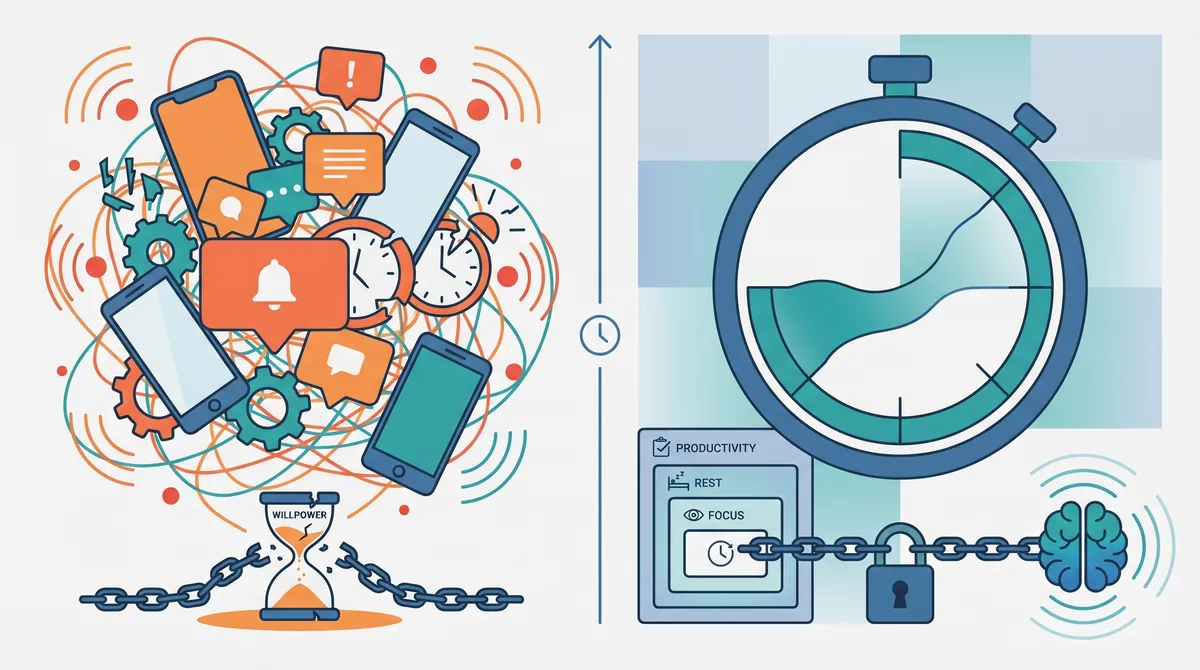
Awareness doesn't solve the problem completely. But it helps. When you notice yourself chasing likes, you can ask yourself why. When you feel pulled to check notifications, you can recognize the dopamine drive beneath that feeling.
CleoSocial was built differently. We don't use infinite scroll. We don't gamify engagement with streaks and badges. We don't weaponize notifications. Our algorithm doesn't learn to manipulate you.
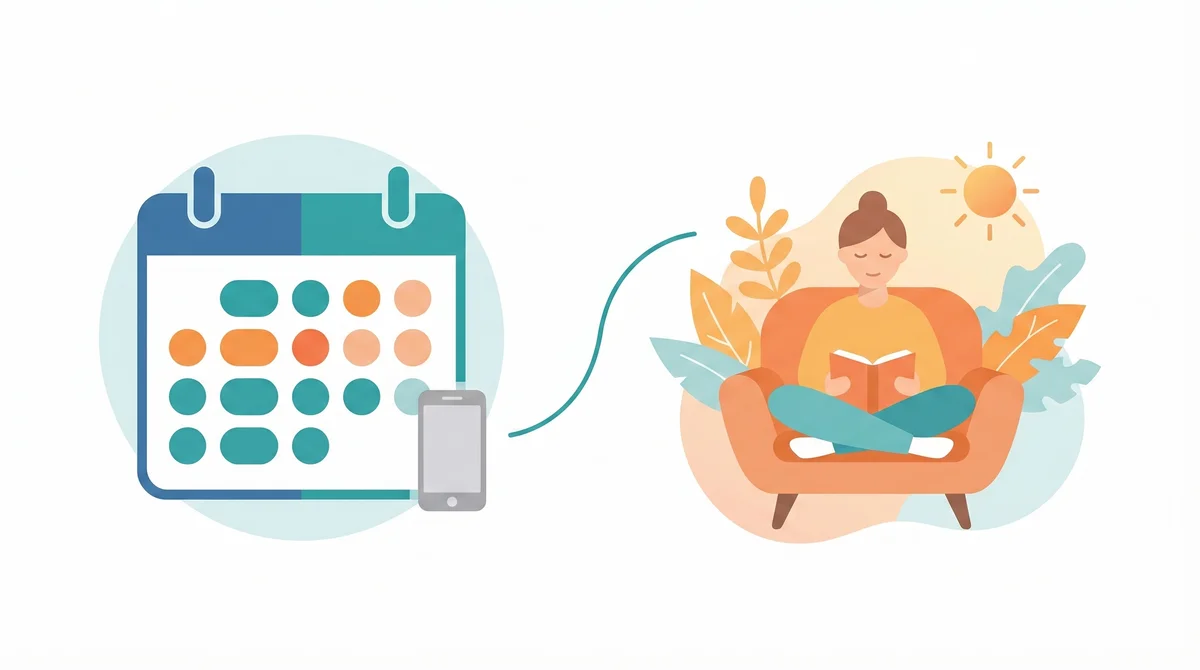
Instead, we let you control your experience. You decide when to check in. You decide what to see. You're in charge of your dopamine, not the other way around.
The platforms described in this article aren't evil. They're just optimized for engagement. But optimization for engagement often conflicts with optimization for wellbeing. Understanding that conflict is how you make better choices about your time online.
Start noticing these tactics. Notice when you feel pulled to open an app. Notice when you're chasing validation. Notice when content appears designed to trigger comparison. That awareness is where change begins.
Your attention is valuable. Your dopamine system is valuable. You deserve a social platform that respects both.
Want to learn more about digital wellness?
Check out our privacy policy to understand how we protect your data, or explore more articles on our blog. If you're interested in our approach to design, learn about CleoSocial.
Further reading:
For research on social media and dopamine, the National Institutes of Health publishes peer-reviewed studies on reward systems and technology engagement. The American Psychological Association also maintains resources on screen time and wellbeing. Stanford's Persuasive Technology Lab has published extensively on how digital design influences behavior.
Ready for Social Media That Respects You?
CleoSocial puts you in control. Content ratings, time limits, and real connections. Free to use, always.