Why Daily Time Limits Work Better Than Willpower
Willpower fails. Discover why daily screen time limits actually work better and how to make them stick.
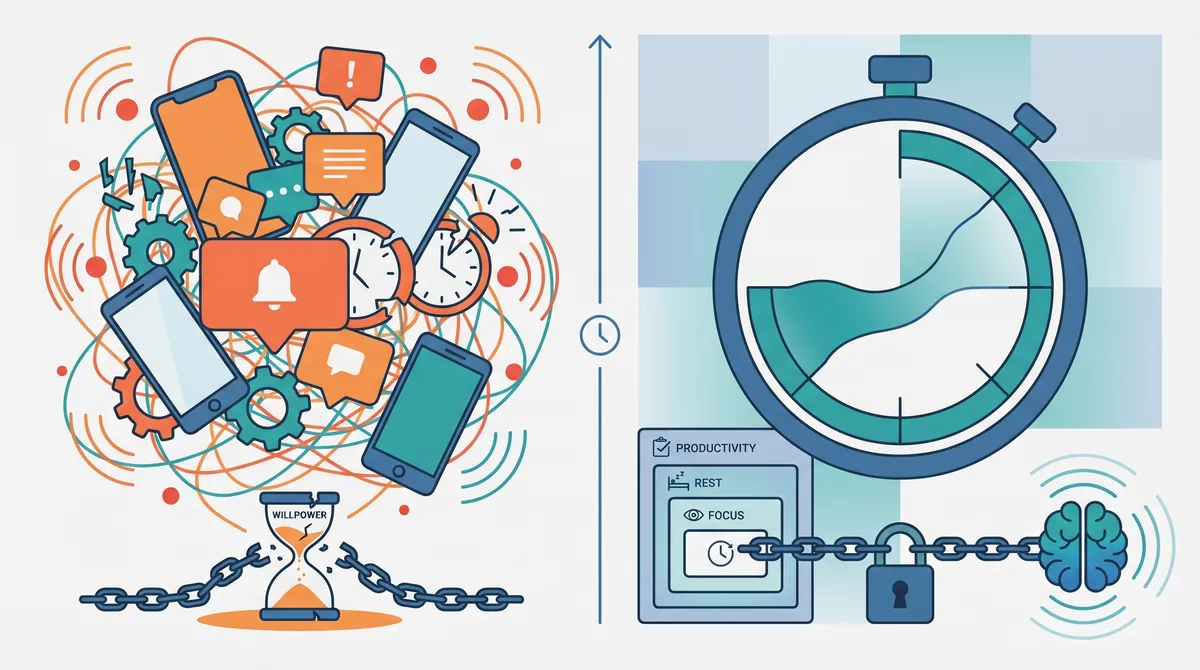
Table of Contents
We've all been there. You open your phone intending to check one notification. An hour dissolves. Your willpower vanishes somewhere between that first scroll and your hundredth.
The problem isn't you. It's that willpower is a broken system for controlling social media habits. You're not failing because you lack discipline. You're struggling because you're fighting against apps designed by teams of engineers to keep you engaged.
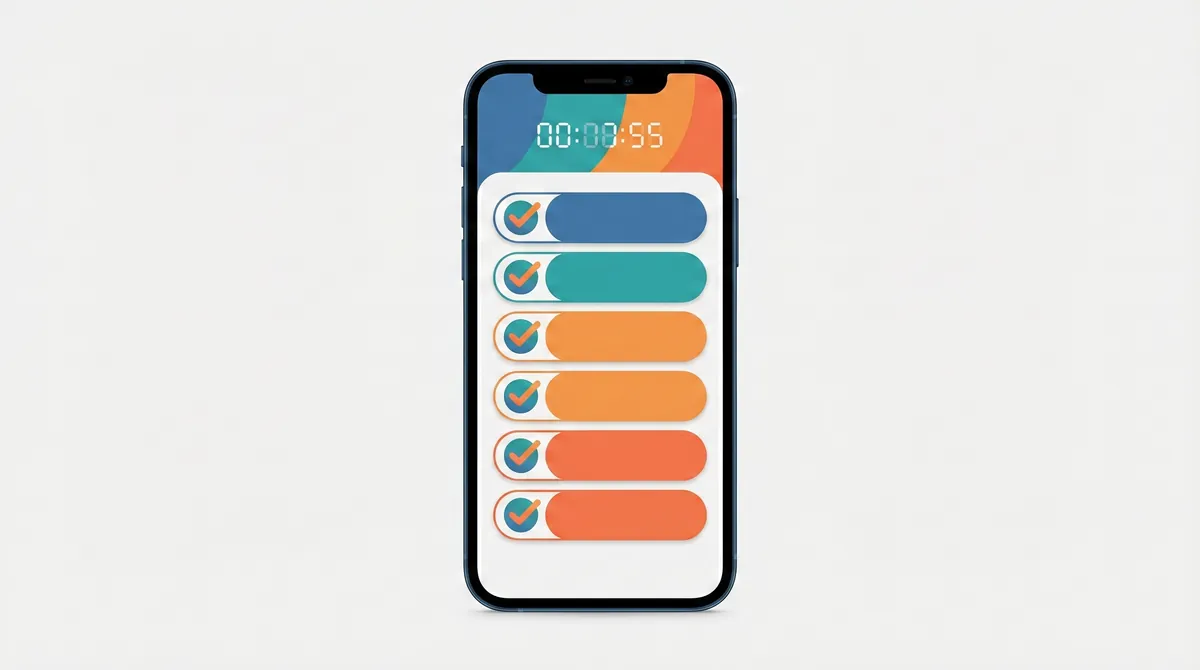
Daily screen time limits change everything. Instead of relying on your willpower to resist, you hand control to a system. The app stops you. No negotiation. No willpower required.
Here's why that approach actually works.
Willpower Is a Finite Resource You Can't Replenish
Your willpower isn't unlimited. It's more like a battery that drains throughout the day.
Every decision you make costs willpower—what to wear, what to eat, whether to check email. By evening, that battery is depleted. Learn more about using social media time limits that actually work. This is why you find yourself scrolling at midnight when you promised yourself you wouldn't. It's not weakness. It's biology.
Research on decision-making and self-control suggests that willpower operates as a limited resource. The more decisions you make earlier in the day, the fewer reserves you have left for resisting temptation later on. Social media companies understand this pattern. They count on your depleted willpower.
That's where daily screen time limits help. They remove the need to exercise willpower continuously. You don't need to decide, moment by moment, whether you should keep scrolling. The decision was made once. The system enforces it.
Daily Time Limits Remove Decision Fatigue
Every time you use social media without limits, you're making a decision. Should I scroll or should I work? Should I check this app or focus on dinner? Every scroll is another choice.
Decision fatigue is real. Making hundreds of small decisions throughout the day exhausts your mental resources. By the time evening comes, your capacity for sound judgment has deteriorated.
Daily screen time limits eliminate most of these decisions. Once your limit is reached, the choice vanishes. Your phone tells you you're done. You don't debate it. You don't negotiate. The friction comes from the system, not from your own resolve.
This is profoundly liberating. People report feeling less stressed when the decision is taken out of their hands. The constant internal debate—one more scroll, just five minutes—finally stops.
Daily Screen Time Limits Create Structure Instead of Reactive Use
Without limits, your social media use is reactive. Something stressful happens at work? You scroll. Bored waiting in line? You scroll. Feeling anxious? You scroll.
You're using the apps to manage your emotions. And the apps are very good at making you feel temporarily better. Until the crash comes.
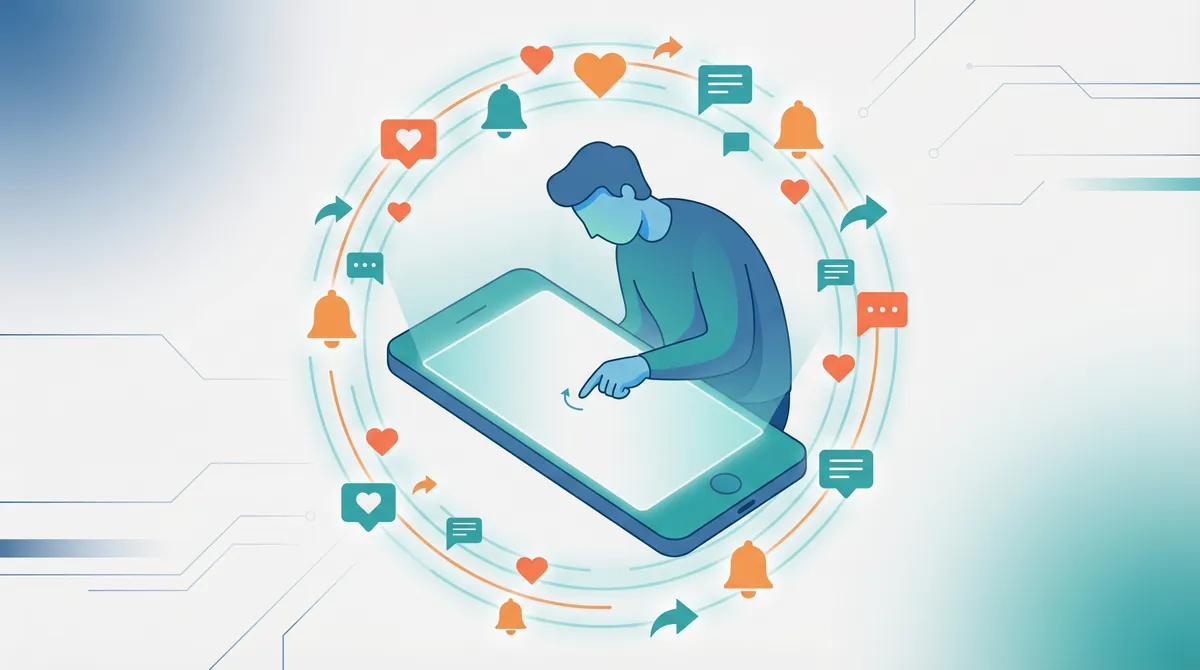
Reactive use means you're always responding to impulses. Your phone controls when you use it. The notifications pull you in. You're never in control of the situation.
Daily screen time limits flip this dynamic. Now your social media use is scheduled. You decide when and for how long you engage. You're not reacting to impulses or notifications. You're following a plan you created deliberately.
This shift from reactive to proactive changes everything. You're back in control. The apps become tools you use intentionally instead of crutches you reach for when emotions spike.
External Systems Outperform Internal Resolve Every Time
Here's something behavioral scientists have known for decades: external constraints beat willpower.
Imagine two approaches to losing weight. In the first, you rely on willpower to eat healthier every day. In the second, you remove unhealthy food from your house. Which works better? The second, obviously. You can't eat what isn't there.
Social media works the same way. Willpower says, "I'll limit myself to one hour per day." But the app is still there. The notifications still ping. Your weak moments can always override your intentions.
An external system—like daily screen time limits—removes the option. You can't choose to keep scrolling. The app stops you.
This isn't about having less willpower than other people. It's about acknowledging that willpower is unreliable. A system is reliable. Systems work. This is why people who implement daily screen time limits report success far more consistently than those who try willpower alone.
Daily Screen Time Limits Help You Plan Better Days
Willpower operates in the moment. You decide whether to scroll right now. It's reactive, instinctive, and almost always leads to more use than intended.
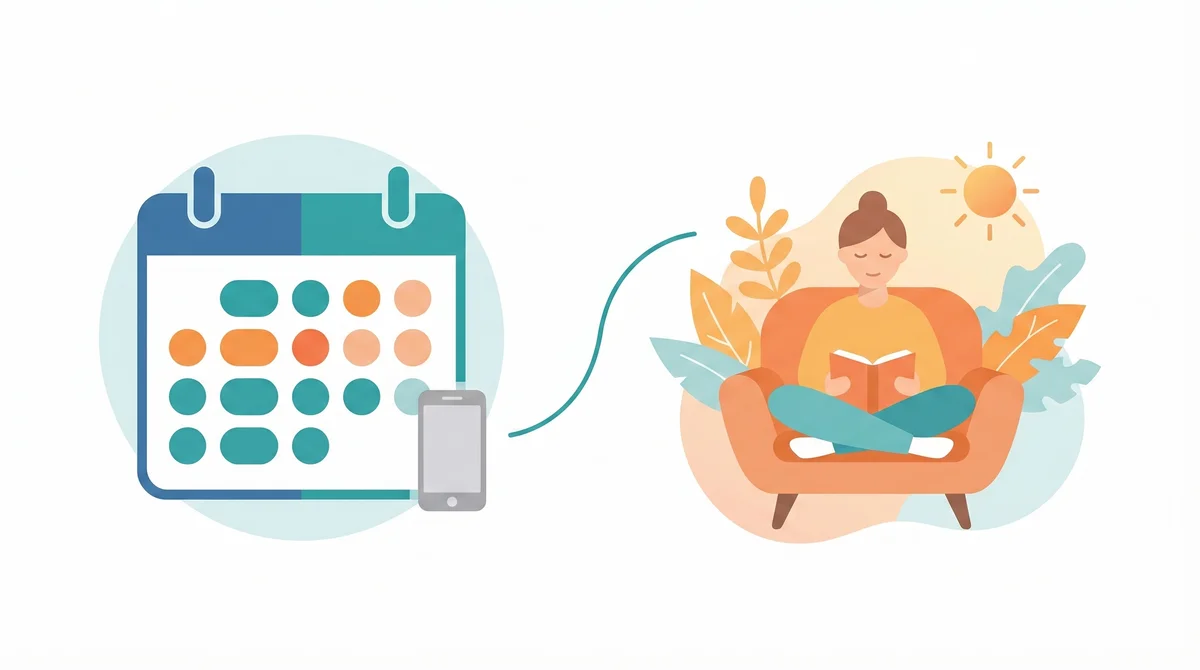
Daily screen time limits force you to plan ahead. You decide upfront: "I'll use social media from 7 to 8 PM today." Now your day has structure. You know when you can scroll and when you can't.
This planning creates real benefits. You schedule important work during times when you won't be tempted. You plan activities during your normal high-temptation hours. You start protecting your time rather than defending against interruptions.
People with limits report they're more intentional about their days overall. They schedule exercise, reading time, and work with the same intention they apply to social media. The limit becomes a framework for designing days that actually matter to them.
Daily Time Limits Show You Patterns Willpower Keeps Hidden
Here's something willpower prevents you from learning: your actual patterns.
When you rely on willpower, you don't track your use accurately. You overestimate your restraint. You convince yourself you only scroll "a little bit" when the reality is different.
Daily screen time limits provide data. How much are you actually using? What times tempt you most? Which apps drain your time? The system tracks everything.
This visibility is transformative. You see patterns you never noticed before. Maybe you discover you scroll most when stressed. Maybe you realize certain apps are far worse than others. Maybe you find out that evening use is your real weakness, not mornings.
You can't change what you don't measure. Limits measure. They provide the feedback loop that willpower never could. That data lets you make genuinely informed decisions about your habits.
Making It Stick: How to Actually Use Limits Effectively
Knowing that daily screen time limits work is one thing. Actually using them is another.
Start small. Don't set your limit at the absolute minimum you think you need. Set it somewhere reasonable that feels like you're cutting back but not suffering. A limit you can't stick to isn't a limit—it's just frustration.
Use different limits for different apps. Social media might get 45 minutes. Video might get 30 minutes. Work-related apps get no limit. Customize the system to your actual life.
Allow yourself to adjust. Your first limit won't be perfect. After a week or two, you'll learn whether you set it too high or too low. Adapt. A system that's tailored to you works better than a generic one.
Don't view hitting the limit as failure. It's the opposite. Hitting the limit means the system is working exactly as designed. You're not using more than you planned. That's success.
Track how you feel. After a few weeks with daily screen time limits, notice the changes. More focus? Better sleep? Less anxiety? More time for people you care about? These are your real wins. They matter more than the number of minutes you spend scrolling.
The Real Win: Control, Not Perfection
You don't need perfect willpower. You need a system that works.
Daily screen time limits do something willpower can't: they enforce without judgment. They're not here to make you feel bad about your social media use. They're here to help you do something harder than resisting temptation. They help you build the life you actually want.
The best part? You don't have to rely on yourself alone anymore. The system's got your back. Your phone becomes a tool that serves you instead of the other way around.
That's not weakness. That's wisdom.
Want help setting up sustainable daily screen time limits? Learn more about CleoSocial or read more posts about digital wellness.
For more information on screen time and mental health, see research from the NIH and the APA.
To understand how we protect your data while tracking your usage, check out our privacy policy.
Ready for Social Media That Respects You?
CleoSocial puts you in control. Content ratings, time limits, and real connections. Free to use, always.