How Social Media Apps Make Money
Learn how social media apps make money. Discover how free apps profit from your time and data, and what it means for your online experience.
Table of Contents
Social media apps are free to use. But companies that run them are worth billions. How does that work?
The answer is simple. You are not the customer. You are the product. Social media platforms make money by selling access to you, your attention, and your data.
Social media advertising generates massive global revenue. Every free user helps generate that number. Understanding how apps make money helps you understand what they want from you.
Here are six ways social media apps turn your time into their profit.
Way 1 - Selling Your Attention to Advertisers
Advertising is the main revenue source for almost every social platform. Companies pay to show you ads because your attention has value.
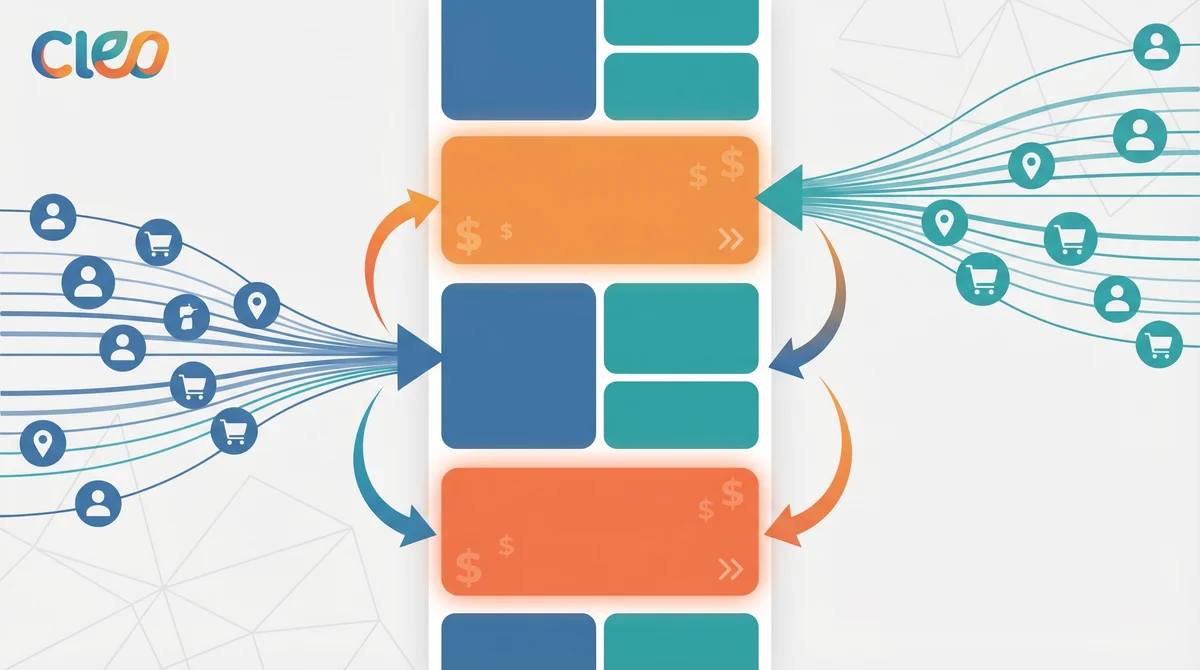
When you scroll through your feed, ads appear between posts. Each ad represents money changing hands. The platform charges advertisers based on views, clicks, or conversions.
The system works because platforms know a lot about you. They use your data to show ads that match your interests. Advertisers pay more for targeted ads because they work better. Learn more about the 7 types of data apps collect about you.
Some platforms also sell sponsored content placement. Brands pay to have their posts appear in your feed even if you do not follow them. This looks like regular content but is actually paid promotion.
Way 2 - In-App Purchases and Virtual Goods
Many social apps sell items inside the app. These range from cosmetic upgrades to functional features.
Virtual currency is common. TikTok sells coins that users give to creators during live streams. Gaming apps sell character skins and power-ups. Dating apps sell super likes and profile boosts.
These purchases seem small individually. But they add up. The average paying user spends over $50 per year on in-app purchases across their apps.
The psychology behind in-app purchases is deliberate. Apps make some features inconvenient or slow unless you pay. They create artificial scarcity. They use streaks and rewards to encourage daily spending.
Way 3 - Premium Subscriptions
Some platforms now offer paid tiers with extra features. This model is growing but still represents a small fraction of total revenue.
Common subscription features include:
- Removing ads entirely
- Seeing who viewed your profile
- Getting priority placement
- Access to exclusive content
- Verified or premium badges
The idea is straightforward. Users who pay get a better experience. Users who do not pay get the ad-supported version.
Subscriptions appeal to users tired of ads and data collection. But most platforms keep the free version because it captures more users. More users means more data, which means better ad targeting.
Way 4 - Selling Your Data to Third Parties
Data itself is a product. Platforms collect information about you and sell access to that information. Learn more about how apps use your data to show you ads.
This does not always mean selling your name and email directly. Often, platforms sell insights derived from your behavior. An advertiser might pay to reach "women aged 25-34 who recently searched for running shoes." The platform delivers the ads without sharing your identity directly.
Data brokers also purchase aggregated information. They combine data from multiple sources to build detailed consumer profiles. These profiles get used for advertising, credit decisions, and other purposes.
You usually do not see this happening. But every time you accept terms of service, you likely agree to let the platform share your data with partners.
Way 5 - E-Commerce and Shopping Features
Social platforms increasingly want you to shop without leaving the app. They take a cut of each transaction.
Instagram and Facebook have built shopping features directly into posts. TikTok has integrated product links. Pinterest has buyable pins. When you purchase through these features, the platform collects a fee.
This creates a new revenue stream beyond advertising. It also keeps you on the platform longer. The more time you spend, the more ads you see, and the more data you generate.
Shopping features are still growing. But they represent a significant opportunity for platforms that can make social commerce seamless.
Way 6 - Business and Creator Services
Some platforms charge businesses and creators for tools that help them succeed on the platform.
Business services include:
- Advanced advertising dashboards
- Analytics and insights
- Customer relationship management
- Shopping and inventory tools
- Verified business status
Creator services include:
- Monetization programs
- Audience analytics
- Content scheduling tools
- Creator funds and bonuses
- Educational resources
These services create a symbiotic relationship. Businesses and creators want platform access. Platforms want the content and engagement these users generate. Charging for premium tools extracts more value from the ecosystem.
What This Means for You
Understanding revenue models changes how you see social media. These platforms are not charities providing free services. They are businesses designed to extract value from users.
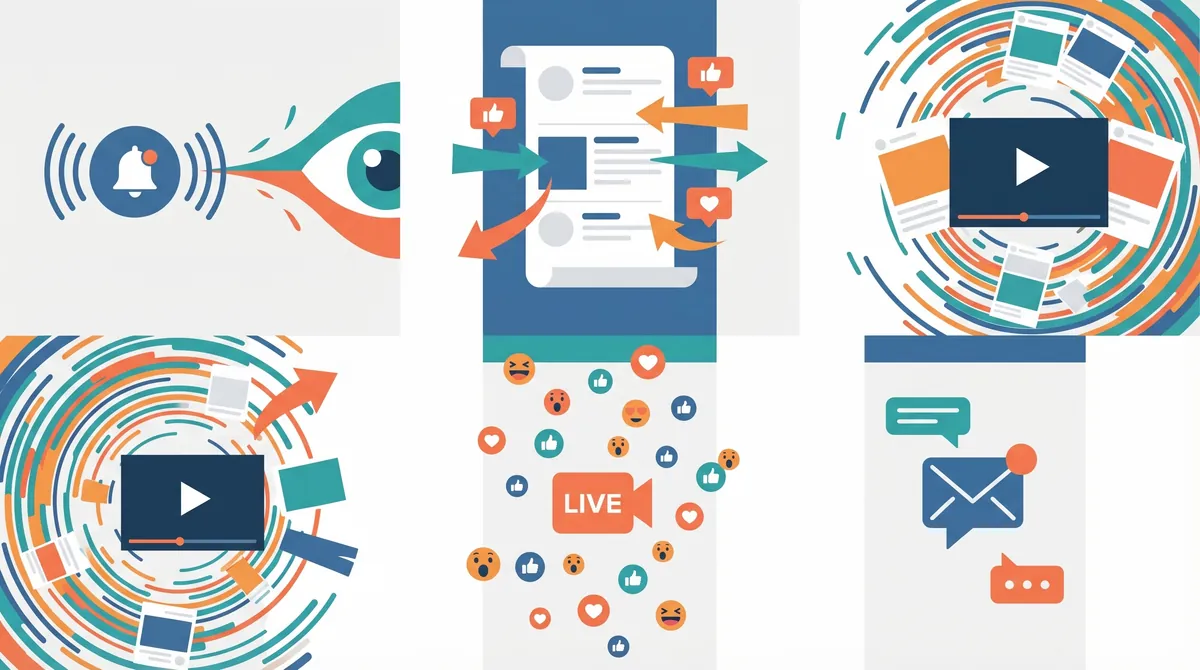
Every feature exists for a reason. Infinite scroll keeps you on the app longer. Notifications pull you back when you leave. The feed algorithm shows content that triggers strong reactions. All of these maximize engagement, which maximizes revenue.
This does not make social media evil. But it does mean your interests and the platform's interests may not align. The platform wants you to spend more time. You might want to spend less.
Knowing this helps you make choices. You can set time limits. You can be selective about what you share. You can choose platforms whose values match yours.
The Bottom Line
Social media apps make money in six main ways. They sell your attention to advertisers. They sell virtual goods and upgrades. They offer premium subscriptions. They sell your data to third parties. They take cuts of shopping transactions. They charge for business and creator tools.
None of these revenue streams require you to pay directly. But you pay with your time, attention, and data. The average user generates advertising revenue for the platform. Heavy users generate much more.
At CleoSocial, we believe in transparency about business models. We offer a free tier because we want everyone to have access. We also offer a premium tier for users who want extra features. We do not sell your data. We do not optimize for addiction.
The more you understand about how social media works, the better you can navigate it. Free apps are not really free. But informed users can make choices that work for them.
Ready for Social Media That Respects You?
CleoSocial puts you in control. Content ratings, time limits, and real connections. Free to use, always.

.webp)