How Social Platforms Handle Content Differently
Discover how social platforms differ in content moderation, transparency, user controls, and more. Learn what makes each approach unique.

Table of Contents
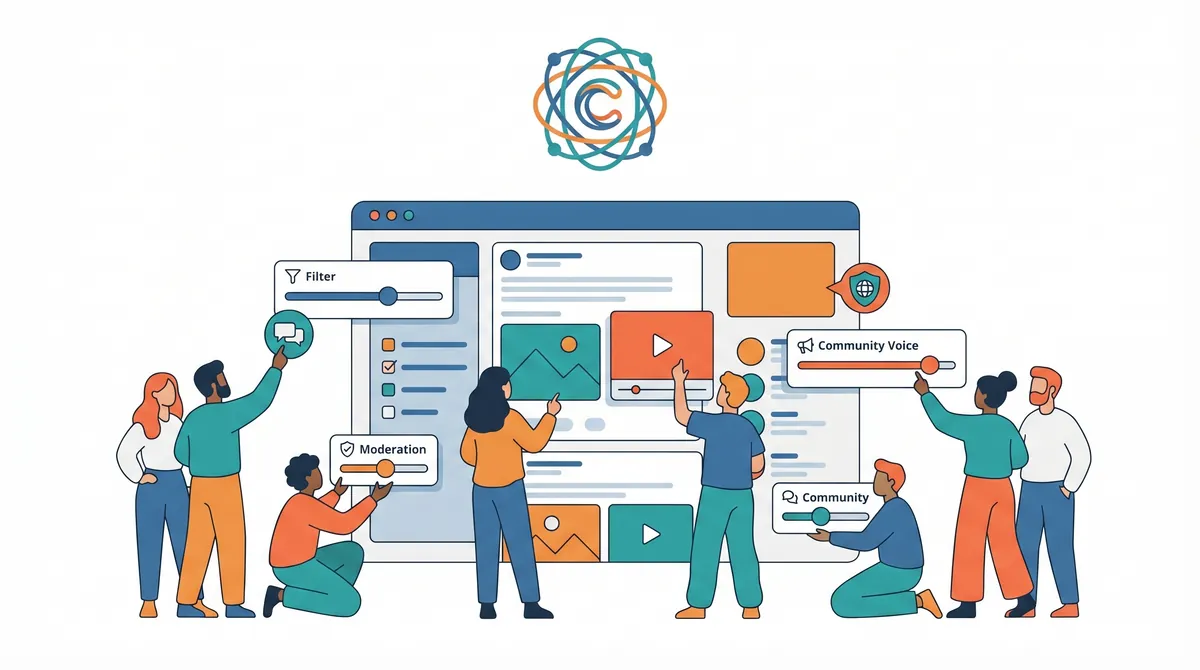
When you scroll through social media, you're experiencing very different design choices than you would on another app. Each platform makes distinct decisions about what content appears, how it's moderated, and what power users have. Social platform differences run deep - from how they filter content to whether they show you their thinking.
Understanding these differences matters. It helps you choose platforms that align with your values. It explains why content works differently on each app. And it shows why there's no one-size-fits-all approach to social media.
Let's explore the key ways platforms handle content and community differently.
Content Moderation Approaches
All platforms need rules. But how they enforce them varies dramatically.
Some platforms rely heavily on automated systems. Algorithms flag potentially problematic content instantly, before humans review it. This catches a lot of violations quickly. But it also makes mistakes. The system can't always understand context, humor, or cultural nuance.
Other platforms take a different path. They combine automation with human reviewers. These teams watch flagged content and make judgment calls. This approach is slower but more nuanced. It can understand context better than algorithms alone.
Still other platforms lean toward community reporting. Users flag content they find problematic. The platform then reviews these reports. This involves the community in moderation decisions.
The gap between these approaches is huge. One platform might remove a post in minutes. Another might let it sit for days while humans review it. One might prioritize speed. Another might prioritize accuracy.
Social platform differences in moderation also show up in appeals. Some platforms make it easy to challenge a removal decision. Others make it nearly impossible. This affects how fairly moderation feels to users.
Algorithm Transparency and Control
Here's where platforms truly diverge. Some are open about how their algorithms work. Others keep it secret.
Transparent platforms explain their ranking systems. They tell users why certain posts appear first. They publish reports about how algorithms affect different groups. They let users understand the rules shaping their feeds.
Other platforms treat algorithms as proprietary secrets. They don't explain how content gets ranked. Users don't know why they see what they see. The decision-making process stays hidden behind closed doors.
Some platforms go further. They let users choose how algorithms work. Users can select "most recent first" instead of algorithmic ranking. They can adjust what topics appear in their feeds. They have real control over their experience.
This difference matters enormously. When algorithms are transparent, users can make informed choices. They understand what influences them. When algorithms are hidden, users feel manipulated, whether they are or not.
The spectrum of transparency affects trust. It shapes whether users feel informed or bewildered. It determines whether people understand the forces shaping their social experience. Research suggests that users are more satisfied when they understand how algorithms work.
Content Warnings and Labeling Systems
Platforms disagree on how much to label content.
Some use minimal labels. A post is either allowed or removed. There's no middle ground. No content warnings. Users see everything in their feed without preparation.
Others use sophisticated labeling systems. A photo might carry a warning about graphic content. A political post might be labeled as contested information. A video might warn about sensitive material. Users decide whether to view labeled content.
Some platforms use rating systems. You might see content rated G, PG, or PG-13. This helps users avoid material that doesn't match their comfort level. It's similar to movie ratings - transparent and easy to understand. Learn more about how content ratings give you control.
These differences create very different experiences. On a platform with no warnings, you might encounter unexpected content. On a platform with detailed labels, you have choices beforehand.
The philosophy behind labeling matters too. Some platforms assume adults can handle any content. Others try to protect users from surprises. Some balance between information and agency. The choice reflects each platform's values.
Data Use and Privacy Choices
How platforms use your data shapes the whole experience.
Some platforms collect extensive data about your behavior. They track what you click, how long you linger, what you search for. They use this data to personalize your feed and sell ads. Users have minimal control over data collection.
Other platforms minimize data collection from the start. They collect less information. Users have clear control over what data the platform keeps. Some platforms don't sell behavioral data to advertisers at all.
The transparency varies too. Some platforms clearly explain how they use data. Others bury this information in lengthy terms of service. Some let users download their data and delete it easily. Others make this process difficult. Look for these signs of honest data practices.
Social platform differences in data handling affect both privacy and experience. Platforms that use more data often deliver more personalized feeds. Platforms that limit data use less of your information for recommendations.
This is where your choices matter most. Some users prioritize personalization. Others prioritize privacy. Different platforms serve different preferences.
Community Input and User Voice
Platforms vary in how much they listen to users about policy decisions.
Some platforms treat users as passive consumers. The company makes all decisions. Users can follow the rules or leave. There's no input mechanism for policy changes.
Other platforms actively solicit feedback. They run surveys about new features. They hold public consultations before major changes. They publish transparency reports explaining their decisions. They explain why they chose certain policies.
Some platforms go further with community governance. They create user councils that advise on content policy. They might even let users vote on rule changes. This democratizes decision-making. Users feel ownership over the platform's direction.
The difference in voice affects user satisfaction. When people feel heard, they're more invested in the platform. When they feel voiceless, frustration builds. Community input doesn't just change policy - it changes how users relate to the platform itself.
These differences also affect adaptation. Platforms listening closely to users can adjust quickly when problems emerge. Platforms ignoring feedback might not notice issues until they become crises.
Why These Differences Matter
Social platforms aren't all the same. They make fundamentally different choices about moderation, transparency, controls, and community voice. These choices shape your entire experience.
Some platforms prioritize speed. Others prioritize nuance. Some emphasize personalization. Others emphasize privacy. Some involve users in decisions. Others make decisions top-down.
There's no objectively "right" approach. Different people want different things. Someone who values personalization might prefer algorithmic feeds. Someone who values privacy might prefer minimal data collection. Someone who wants community might prefer platforms with user governance.
The key is understanding these differences. Then you can choose platforms that match your values. You can understand why your experience differs across apps. You can make informed decisions about where you spend your time.
Moving Forward
The social media landscape is diverse for a reason. Different platforms serve different needs. Recognizing these social platform differences helps you navigate that landscape more thoughtfully.
As you choose where to spend time online, consider what matters most to you. Do you want transparency about how algorithms work? Do you need strong data privacy protections? Do you want a say in community rules? Do you prefer content warnings for sensitive material?
Your answers determine which platforms feel right for you. There's no universal best choice. There's only what works for your values and preferences.
The platforms that thrive are those that understand their audience and deliver on their promises. Whether you're seeking control, transparency, community input, or thoughtful moderation, platforms exist with those priorities. Understanding what each one offers helps you find the right fit.
Your social media experience shouldn't feel imposed. It should feel chosen. And that starts with understanding the real differences between platforms and picking the ones that align with how you want to engage online.
Want to dig deeper? Check out our about page to learn how CleoSocial approaches these issues differently. Or explore more insights on our blog about digital wellbeing and platform design.
For more data on social media trends, see reports from Pew Research Center and Reuters.
Ready for Social Media That Respects You?
CleoSocial puts you in control. Content ratings, time limits, and real connections. Free to use, always.