How Users Can Help Shape Better Content Standards Online
Discover how you can directly influence content standards. Learn practical ways users shape moderation and online safety through community involvement.
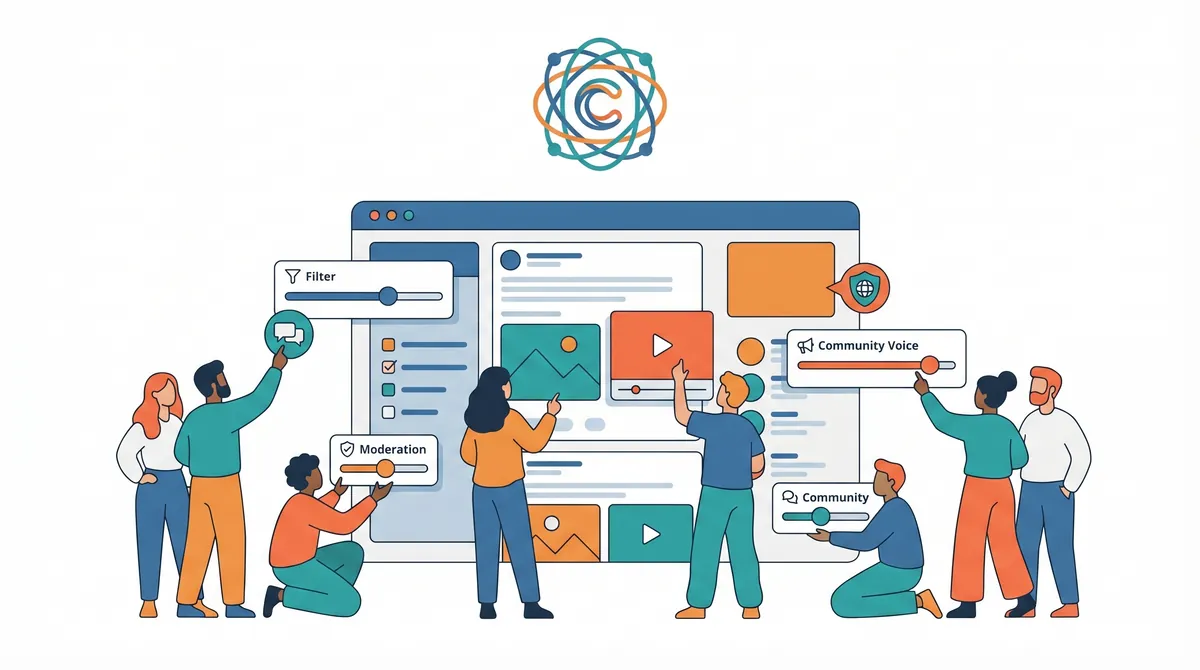
Table of Contents
The internet can feel like a place where decisions happen to us, not with us. Platforms set rules. Moderators enforce them. Users scroll, react, and hope for the best. Learn more about how community moderation makes social media better. But what if things could work differently?
They can. User content moderation is shifting. More platforms are recognizing that the people actually using these spaces should have a voice in how they're governed. This isn't just about reporting bad posts. It's about building the internet together, one decision at a time.
At CleoSocial, we believe communities are strongest when everyone participates. Your voice matters. Your perspective helps shape standards. Your input makes the platform safer and more welcoming for everyone.
Here's how you can start making a real difference right now.
Use Reporting Tools Thoughtfully and Consistently
Reporting isn't just about venting frustration. It's your direct line to shaping user content moderation standards. When you report something, you're not shouting into the void. You're contributing data that helps platforms understand what violates their values.
But reporting works best when it's intentional. Before you hit submit, ask yourself: Does this actually break the rules? Is it genuinely harmful? Or am I just disagreeing with someone's opinion?
Platforms learn from your reports. They see patterns. They adjust policies based on what gets flagged most. If everyone reports the same types of abuse, moderators and policy teams take notice. Your consistent feedback helps improve safety for the whole community.
Start small. Report content that clearly violates community standards. Be specific in your description. Instead of "this is bad," try "this content contains targeted harassment directed at a specific user." Clear context helps moderators make faster, fairer decisions.
Participate in Rating and Flagging Systems
Many platforms now offer ways for users to rate content quality and credibility. These aren't just engagement metrics. They're building blocks for better standards.
When you rate content, you're helping the platform understand what your community values. Is this informative? Is it respectful? Does it contribute meaningfully? Your answer influences what rises to the top and what gets flagged for review.
Some platforms let you flag content as misinformation, spam, or off-topic. These flags train systems to recognize problems automatically. Your participation makes detection faster and smarter for everyone.
The key is honesty. Rate what you genuinely think. Flag what truly violates standards. Platforms can tell when ratings are fake or manipulated. Authentic feedback is what makes these systems work.
Don't skip this step just because it feels small. One person's rating seems minor. Thousands of consistent ratings shape entire ecosystems.
Give Constructive Feedback Directly to Platforms
Most platforms now have feedback mechanisms built right in. They want to know what you think about their moderation policies. They want to understand where standards are working and where they're failing.
Use these channels. Tell platforms what you notice. Share examples of content that should be addressed. Explain why current policies aren't working for you. Describe problems you're seeing in your community.
This feedback directly influences policy changes. Platforms track it. They categorize it. They bring patterns to leadership. When hundreds of people report the same problem, it moves up the priority list.
Be specific and constructive. Instead of "your moderation is terrible," try "I noticed that content A clearly violates your harassment policy, but content B violates it the same way and wasn't removed." That specificity helps teams understand exactly what's broken.
Join community feedback programs if your platform offers them. Some have user advisory boards. Some conduct surveys. Some hold open forums. These aren't just PR exercises. They're genuine opportunities to influence standards.
Support Transparent Moderation Policies
Standards mean nothing if they're secret. The strongest communities are built on transparency. Demand it. Support platforms that provide it. The Electronic Frontier Foundation advocates for transparent moderation policies across platforms.
Look for platforms that publish their moderation policies clearly. Read them. Understand them. Then ask questions when something doesn't add up. Why was this content removed but not that one? What's the difference?
Platforms that explain their decisions help users understand standards. They make it easier for everyone to follow the rules and trust the system. When a platform publishes moderation reports showing what they removed and why, that transparency strengthens the entire ecosystem.
Support organizations pushing for better transparency standards across the industry. The EFF and similar groups work to hold platforms accountable. They advocate for clearer policies and better explanations. Your support matters.
Transparency also means having access to your own content decisions. You should be able to see why your post was removed. You should have a path to appeal. This creates accountability. It helps users understand standards better.
When you see a platform doing transparency right, celebrate it. Share it. Tell others. Pressure works both ways. Platforms respond to user demand just like they respond to complaints.
Engage Constructively With Your Community
User content moderation isn't just a top-down process. It's also about how we treat each other. When you engage respectfully, you set the tone. You model the standards you want to see.
This means pushing back on bad behavior from fellow users. It means calling out harassment. It means refusing to participate in pile-ons. It means disagreeing fiercely but fairly.
Constructive engagement strengthens community standards from the bottom up. When most users interact respectfully, bad actors stand out more clearly. Moderation becomes easier. The whole community functions better.
You don't need special authority to do this. You just need to show up as your best self. Comment thoughtfully. Listen to perspectives different from yours. Disagree without dehumanizing. Ask questions before assuming the worst.
When someone says something you strongly disagree with, resist the urge to attack. Instead, share your perspective. Ask them to explain their thinking. Most conversations improve from there. Some change minds. All of them improve community culture.
Communities where users self-moderate respect get better policies and better enforcement. That's not because moderators aren't working. It's because everyone's working together.
Choose Platforms That Listen to Users
Your choices have power. Platforms that ignore user feedback gradually lose engaged users. Platforms that listen grow stronger.
When you're choosing where to spend your time online, consider how much voice you have. Does this platform explain its policies? Can you appeal moderation decisions? Are there user advisory boards? Do they publish transparency reports?
These questions aren't academic. They directly affect your experience and your ability to influence standards. Platforms that value user input make better decisions faster.
If you're on a platform that doesn't listen, consider what that means for your community. Are you supporting a system that ignores your concerns? Is there an alternative that respects your voice more?
This doesn't mean abandoning platforms entirely. It means being conscious. It means using platforms that align with your values. It means voting with your attention and your time.
CleoSocial exists because we believe user content moderation should work this way. Your voice shapes standards here. You're not just a user. You're a co-creator of community safety. That's how it should be everywhere.
The Bigger Picture
Standards don't appear out of nowhere. They're built by communities. They're strengthened by participation. They're refined through feedback.
You have more power than you might think. Every report matters. Every rating counts. Every piece of feedback influences the system. Every respectful interaction improves your community.
Start with one of these six approaches. Use your reporting tools more intentionally. Rate content honestly. Give feedback to platforms. Support transparency. Engage constructively. Choose platforms that listen.
Small actions add up. Your voice plus thousands of others creates real change. Better content standards aren't something we receive from on high. They're something we build together.
The internet doesn't have to happen to us. It can happen with us. It starts when we decide our voice matters and then act on that belief.
Your community is waiting for your input. Your platforms are listening. The standards you shape today make the internet safer and more welcoming tomorrow.
Ready to shape content standards in a community that listens? Learn more about CleoSocial and how we put user voice at the center of moderation. Check out our privacy approach to understand how we protect your data while gathering meaningful feedback. Explore more insights on community and safety in our blog.
Want to go deeper? The Pew Research Center regularly publishes research on how Americans view online safety. Reuters covers emerging platform policies. The EFF advocates for user rights and transparent moderation practices across the industry.
Ready for Social Media That Respects You?
CleoSocial puts you in control. Content ratings, time limits, and real connections. Free to use, always.